

Koja Kaar Mikoni? | Farsi Small Talk and Personal Questions
Every Iranian family gathering has one. The aunt. the khaleh ( خاله ). who somehow knows you just got a raise before your boss told you.
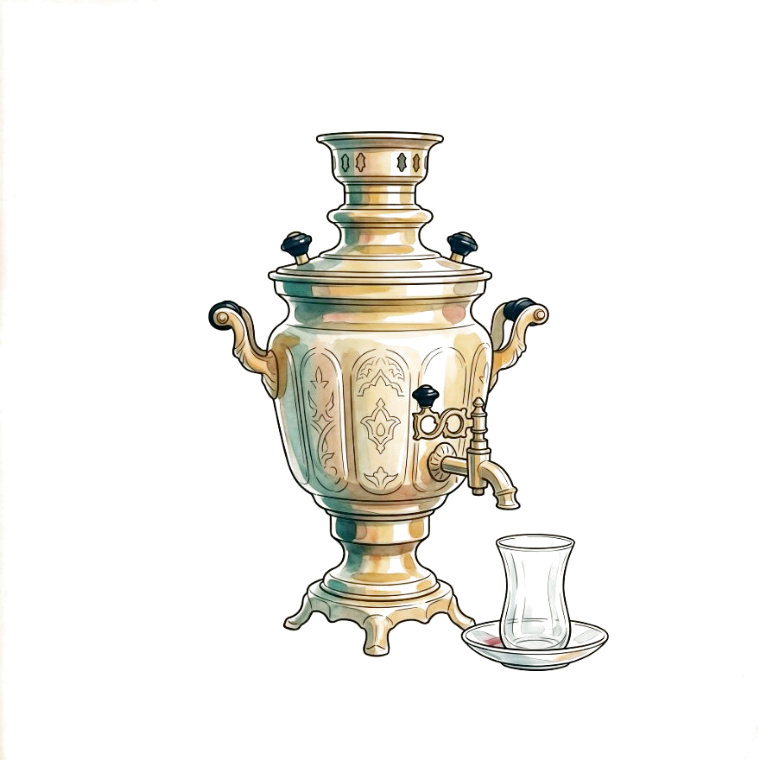
Every Iranian family gathering has one. The aunt. the khaleh (خاله). who somehow knows you just got a raise before your boss told you. She corners you by the fruit platter, and what follows is the most intense interrogation you'll face outside an airport. Farsi small talk and personal questions aren't separate categories in Iranian culture. They're the same thing.
This is Episode 9 of One Scene a Week, and today we're surviving a mehmooni (مهمونی. gathering/party). You'll learn how to answer. and dodge. the classic questions about your job, your salary, your love life, and your reproductive plans. All in Tehrani Persian.
The Scene: Khaleh Corners You at the Mehmooni
Picture this. You're at your cousin's engagement party. You've loaded your plate with zereshk polo, found a quiet corner, and then. boom. Khaleh Maryam appears. She's got tea in one hand and a list of questions that would make a detective jealous.
You can't escape. The sofa is behind you. Your Farsi is your only weapon.
Full Dialogue: The Interrogation
Here's the full exchange. Read it once for the story, then we'll break it apart piece by piece.
| # | Speaker | Farsi | Transliteration | English |
|---|---|---|---|---|
| 1 | Khaleh | !به به! چه عجب اومدی | Be be! Che ajab oomadi! | Well well! What a surprise you came! |
| 2 | You | .سلام خاله جون، خیلی وقت بود ندیده بودمتون | Salaam khaleh joon, kheyli vaght bood nadide boodamatoon. | Hi dear auntie, it's been a long time since I've seen you. |
| 3 | Khaleh | خب بگو ببینم، الان کجا کار میکنی؟ | Khob begu bebinam, alaan koja kaar mikoni? | So tell me, where do you work now? |
| 4 | You | .تو یه شرکت فناوری کار میکنم. کارم خوبه، خداروشکر | Too ye sherkat-e fanâvari kaar mikonam. Kaaram khoobeh, khodâ ro shokr. | I work at a tech company. My work is good, thank God. |
| 5 | Khaleh | آها. حقوقت چقدره؟ خوب درمیاری؟ | Âhâ. Haghoogh-et cheqadre? Khoob dar-miari? | Aha. How much is your salary? Do you earn well? |
| 6 | You | .خداروشکر بد نیست. از خدا که پنهون نیست، از شما چه پنهون | Khodâ ro shokr bad nist. Az khodâ ke penhoon nist, az shomâ che penhoon. | Thank God, it's not bad. Nothing's hidden from God, nothing's hidden from you. |
| 7 | Khaleh | دختر خالهات تو بانک کار میکنه، ماهی پونزده میگیره. تو چی؟ | Dokhtar khaleh-at too bânk kaar mikoneh, mâhi poonzdah migireh. To chi? | Your cousin works at a bank, she gets fifteen a month. What about you? |
| 8 | You | .خوشحالم براش! منم وضعم بد نیست، نگران نباشید خاله | Khosh-hâlam barâsh! Manam vaz'am bad nist, negarân nabâshid khaleh. | I'm happy for her! My situation isn't bad either, don't worry auntie. |
| 9 | Khaleh | حالا کی میخای ازدواج کنی؟ سنّت داره میره بالا ها | Hâlâ key mikhây ezdevâj koni? Senn-et dâreh mireh bâlâ hâ. | So when are you getting married? Your age is going up, you know. |
| 10 | You | .خاله جون، اول باید آدم خودش رو پیدا کنه بعد. عجلهای نیست | Khaleh joon, aval bâyad âdam khodesh ro peydâ koneh ba'd. Ajale-i nist. | Dear auntie, first a person has to find themselves. There's no rush. |
| 11 | Khaleh | !من سنّ تو بودم دو تا بچه داشتم | Man senn-e to boodam do tâ bachche dâshtam! | When I was your age I had two kids! |
| 12 | You | !شما خیلی زرنگ بودید خاله! ما که به پای شما نمیرسیم | Shomâ kheyli zerang boodid khaleh! Mâ ke be pâ-ye shomâ nemiresim! | You were very clever, auntie! We can't keep up with you! |
| 13 | Khaleh | حالا یه دختر خوب سراغ دارم برات... | Hâlâ ye dokhtar-e khoob sorâgh dâram barât... | Now, I know a good girl for you... |
| 14 | You | !وای خاله ببخشید، مامانم داره صدام میکنه. الان برمیگردم | Vây khaleh bebakhshid, mâmânam dâreh sedâm mikoneh. Alaan bar-migardam! | Oh auntie, excuse me, my mom is calling me. I'll be right back! |
Vocabulary Breakdown
Let's pull out the key words and phrases from this dialogue.
| Farsi | Transliteration | Meaning | Notes |
|---|---|---|---|
| کجا کار میکنی | koja kaar mikoni | where do you work | The #1 question at any gathering |
| حقوقت چقدره | haghoogh-et cheqadre | how much is your salary | Yes, they really ask this |
| خوب درمیاری | khoob dar-miari | do you earn well | Spoken form of dar âvardan (to earn) |
| کی میخای ازدواج کنی | key mikhây ezdevâj koni | when do you want to get married | The inevitable follow-up |
| سنّت داره میره بالا | senn-et dâreh mireh bâlâ | your age is going up | Iranian guilt-trip classic |
| عجلهای نیست | ajale-i nist | there's no rush | Polite deflection |
| سراغ دارم | sorâgh dâram | I know of (someone) | Used when suggesting a match |
| به تو چه | be to che | what's it to you / none of your business | The nuclear option. use with caution! |
| خداروشکر | khodâ ro shokr | thank God | Universal deflector shield |
| نگران نباشید | negarân nabâshid | don't worry | Polite way to shut down a topic |
| صدام میکنه | sedâm mikoneh | is calling me | Your emergency exit phrase |
The Art of Deflection: How Iranians Actually Answer
Notice something in the dialogue? Not once did "you" give a direct answer to the salary question. That's not an accident. it's a skill.
Iranian culture runs on ta'ârof (تعارف) and indirect communication. When khaleh asks your salary, she doesn't necessarily expect a number. She expects a performance. You're supposed to downplay, redirect, and invoke God at least twice. The phrase khodâ ro shokr bad nist (خداروشکر بد نیست. thank God, it's not bad) is your Swiss Army knife here.
Then there's the beautiful idiom in line 6: az khodâ ke penhoon nist, az shomâ che penhoon (از خدا که پنهون نیست از شما چه پنهون). It literally means "it's not hidden from God, so why hide it from you", but ironically, you use it right before NOT telling them the thing. It's genius. It sounds like you're about to be transparent, but you never actually reveal anything.
For more on why Iranians communicate this way. and why saying "I" too much makes you sound arrogant. check out my post on why you sound arrogant in Farsi.
Cultural Note: Fozooli. Nosy or Caring?
There's a word in Farsi: fozooli (فضولی). It means nosy, meddling, sticking your nose where it doesn't belong. And yet. the behavior khaleh is showing? Most Iranians wouldn't call it fozooli. They'd call it caring.
This trips up a lot of Western learners. In most English-speaking cultures, asking someone's salary is rude. Asking when they'll marry is invasive. Asking about kids is off-limits. In Iranian culture, these questions signal that the person considers you family. They're invested in your life. If khaleh didn't ask, that would be weird. it would mean she doesn't care about you.
The key is reading the tone. Khaleh asking "key mikhây ezdevâj koni?" with a warm smile and a plate of shirini is affection. A stranger at a taxi asking the same thing? That's actual fozooli.
So how do you handle it? You do what Iranians do: you deflect with warmth, compliment the asker, invoke God, and. when all else fails. pretend your mom is calling you. The one phrase you should keep in your back pocket but almost never use is be to che (به تو چه. "what's it to you"). It's the nuclear option. It ends the conversation, but it also ends the relationship for about six months. Worth knowing. Not worth using on khaleh.
If you want to practice polite refusal and deflection more broadly, my guide on how to say no in Farsi covers the full toolkit.
Spoken vs. Formal: Mikoni vs. Mikonid
This dialogue is 100% spoken Tehrani Persian. Here's what changes if you formalize it. say, if you were talking to your boss's wife at a work dinner instead of your own khaleh.
| Spoken (to/informal) | Formal (shomâ) | What changed |
|---|---|---|
| کجا کار میکنی koja kaar mikoni | کجا کار میکنید koja kaar mikonid | Verb ending: -i → -id |
| حقوقت چقدره haghoogh-et cheqadre | حقوقتون چقدره haghoogh-etoon cheqadre | Possessive: -et → -etoon |
| کی میخای ازدواج کنی key mikhây ezdevâj koni | کی میخواید ازدواج کنید key mikhâid ezdevâj konid | Both verbs shift to shomâ form |
| اومدی oomadi | اومدید oomadid | Past tense: -i → -id |
| سنّت senn-et | سنّتون senn-etoon | Possessive: -et → -etoon |
The pattern is simple: spoken Farsi uses to (تو. you informal) forms, while formal Farsi uses shomâ (شما. you formal/plural) forms. With family. especially aunts, uncles, cousins your age. to is expected. Switching to shomâ with khaleh would actually feel cold and distant.
One exception: line 2, where "you" say nadide boodamatoon (ندیده بودمتون). Even in casual speech, using the -toon suffix with older relatives is a sign of respect. You can mix registers. casual verbs but respectful pronouns. That's very natural in Tehrani Farsi.
Survival Phrases: Your Mehmooni Toolkit
Beyond the dialogue, here are bonus phrases you'll need at any Iranian gathering. These are the verbal self-defense moves that keep the conversation on your terms.
| Farsi | Transliteration | English | When to use it |
|---|---|---|---|
| انشاالله | inshâllâh | God willing | When you mean "probably never" |
| چشم | cheshm | On my eyes (= yes, I will) | Agreement without commitment |
| قسمت باشه | ghesmat bâsheh | If it's meant to be | The fate card. unbeatable |
| بذار ببینم چی میشه | bezâr bebinam chi misheh | Let me see what happens | Kicking the can down the road |
| شما لطف دارید | shomâ lotf dârid | You're too kind | Responding to unsolicited advice |
The real power move? Stacking them. "Inshâllâh, ghesmat bâsheh, bezâr bebinam chi misheh." That's three layers of "I'm not answering your question" wrapped in politeness. Khaleh can't break through that.
If you're building vocabulary around family gatherings, the Farsi family dinner phrases guide has everything from "pass the rice" to "I'm full, I swear."
Practice: What Would You Say?
Try answering these prompts out loud before checking the suggested responses. There's no single right answer. the goal is fluency and cultural appropriateness.
1. Khaleh asks: حالا دوستدختر داری؟ (Hâlâ doost-dokhtar dâri?. So do you have a girlfriend?)
Suggested deflection: خاله جون، انشاالله وقتش که بشه خبرتون میکنم! (Khaleh joon, inshâllâh vaghtesh ke besheh khabaretoon mikonam!. Dear auntie, God willing when it's time I'll let you know!)
2. An uncle asks: ماشین چی سوار میشی؟ (Mâshin chi savâr mishi?. What car do you drive?)
Suggested deflection: یه چیزی هست دیگه، خداروشکر میبره میاره. (Ye chizi hast digeh, khodâ ro shokr mibareh miâreh.. There's something, thank God it gets me around.)
3. Someone compares you to a more successful cousin.
Suggested response: آره، خیلی زرنگه. انشاالله منم یه روز مثل اون بشم! (Âreh, kheyli zerangeh. Inshâllâh manam ye rooz mesl-e oon besham!. Yeah, they're very clever. God willing one day I'll be like them too!)
The trick in all three? You're agreeing, complimenting, and deflecting. all without giving any actual information. That's the Iranian way.
FAQs
Is it really normal to ask about salary in Iranian culture?
Yes. Among family and close friends, asking about salary, rent, and even the price of things you've bought is completely normal in Iran. It's a way of showing interest and staying connected. The expectation isn't a precise number. it's a general sense of how you're doing. You can always deflect with "khodâ ro shokr bad nist" (thank God, it's not bad).
What does "be to che" mean and when should I use it?
"Be to che" (به تو چه) literally means "what is it to you". the Farsi equivalent of "none of your business." It's considered quite blunt and even aggressive. You'd use it with a persistent stranger or someone truly crossing a line, but never with a family elder. With khaleh, stick to polite deflections like "inshâllâh" or "ghesmat bâsheh."
How do I change Farsi questions from informal to formal?
The main change is the verb ending and possessive suffix. Informal "to" (you) uses verb endings like -i and possessives like -et. Formal "shomâ" uses -id for verbs and -etoon for possessives. For example: "koja kaar mikoni" (informal) becomes "koja kaar mikonid" (formal). With family, informal is expected and even preferred.
What's the difference between fozooli and showing genuine interest in Farsi?
Fozooli (فضولی. nosiness) and genuine interest depend entirely on the relationship. Family members asking personal questions is considered caring and normal. A stranger or acquaintance asking the same questions would be fozooli. The boundary is about closeness: the more intimate the relationship, the more personal the questions can be without being considered rude.
What are the best phrases to deflect personal questions in Farsi?
The top deflection phrases are: "khodâ ro shokr" (thank God, used before vague answers), "inshâllâh" (God willing, used to delay commitments), "ghesmat bâsheh" (if it's meant to be, invokes fate), and "bezâr bebinam chi misheh" (let me see what happens). You can stack these together for maximum polite evasiveness.
That khaleh at the mehmooni? She's not going anywhere. She'll be at every gathering, with every question, until you either get married or learn to deflect like a pro. Now you can do the second one.
Want to drill this scene's vocab with flashcards? Our app, ZabanYar, is coming soon.
If you want to practice these conversations with a real person who'll play khaleh for you (I do a great impression), book a session with me on Preply and let's get you mehmooni-proof.
One Scene a Week. Season 2: Getting Comfortable
← Episode 8: Tavalodet Mobarak! | Series Index | Episode 10: Dard Mikoneh →
Get it wrong and the worst that happens is a warm laugh and a story they’ll tell for years. Get it right — refuse the tea twice, accept on the third — and you’ll watch a face open up. You didn’t just speak Persian. You played the game.
A teacher from Tabriz, based in Milano. 5.0 on Preply across 52 reviews, 1,652 lessons taught. He curates the growing dictionary behind this site.
 Farsi ScenesYek Kilo Goje, Lotfan: Farsi Market VocabularySept 2026Farsi ScenesAlo, Bebakhshid: Farsi Phone Call Phrases for BeginnersSept 2026
 Farsi ScenesTalkPal AI Review for Learning Persian 2026: Flashy But ShallowJul 2026
 Farsi ScenesTesliyat Migam | Farsi Condolences and Funeral PhrasesSept 2026Farsi ScenesForvo Persian Review 2026: The Pronunciation Bible You're Not UsingJul 2026
 Farsi ScenesNegotiating in Farsi at an Isfahan Carpet ShopAug 2026