

Negotiating in Farsi: Phrases, Tactics, Cultural Norms
Key Farsi phrases and cultural tactics for negotiating in Iran. Learn ta'arof, indirect speech, and how deals actually get done.
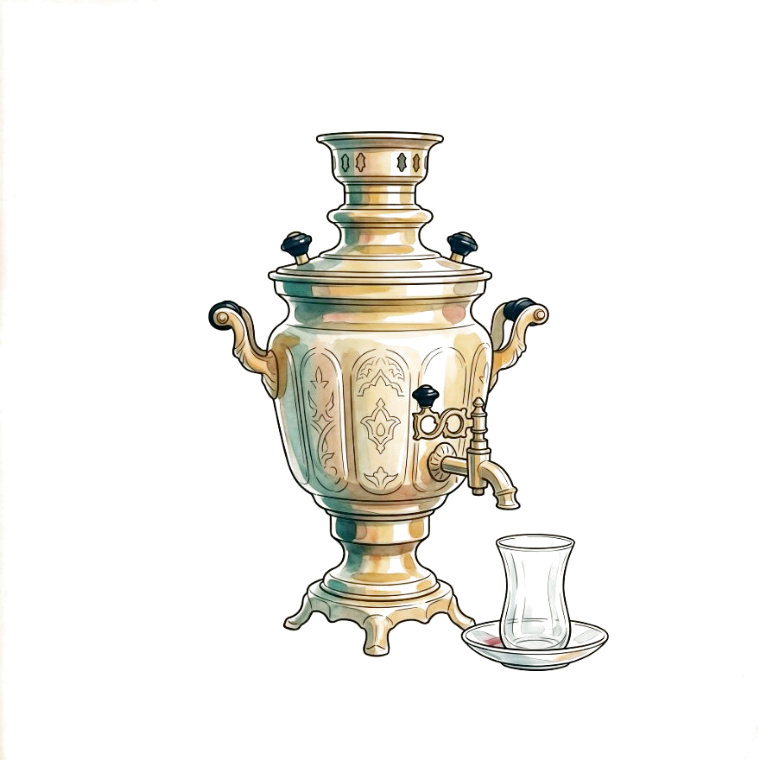
My first business negotiation in Iran lasted four hours. Two of those hours were tea, small talk, and questions about my family. One hour was circling the actual topic without naming a price. The last hour was the negotiation, and even then, nobody said "no" directly. I walked out confused about whether we had a deal. We did. That's Iranian negotiation: relationship first, indirectness always, patience as a weapon.
If you're doing business with Iranians. whether in Iran, Dubai, Istanbul, or the diaspora. knowing the phrases is only half the equation. The cultural norms around negotiation are specific, layered, and nothing like Western directness. This post covers both: the Farsi you need and the unwritten rules you need to follow.
The Iranian Negotiation Style
Iranian business culture operates on a few principles that shape every negotiation:
Relationships before transactions. Iranians won't negotiate seriously with someone they don't trust personally. The small talk, the tea, the questions about your health and family. that's not filler. That's the actual negotiation starting. Skip it at your own risk.
Indirect communication. Direct rejection is considered rude. "No" gets expressed as "it's difficult," "we need to think about it," or "God willing" (انشاءالله. inshâ'allâh), which in business context often means "probably not."
The first number is never real. Whether you're buying a carpet in the bazaar or negotiating a contract, the initial price is the opening of a conversation. Taking the first offer is seen as either naive or rushed.
Patience is power. The person who shows urgency loses leverage. Iranians are comfortable with long silences, multiple meetings, and extended timelines. If you're in a hurry, they know it, and they'll use it.
Taarof in business. تعارف (ta'ârof). the elaborate Persian politeness system. bleeds into business. Someone might refuse payment, offer you their product for free, or insist they're at your service. These are ritual gestures. Accept gracefully, decline politely, and find the real terms underneath.
Essential Negotiation Phrases
Opening a Negotiation
پیشنهاد من اینه. pishnehâd-e man ine. "My proposal is this"
Use this to introduce your offer clearly. It's direct enough for business but doesn't sound aggressive.
شرایطتون چیه؟. sharâytetun chiye?. "What are your conditions?"
Asking for their terms. Open-ended, which invites them to lay out their position first. In Iranian negotiation, getting the other side to state terms first is considered advantageous.
بیایید به یه توافق برسیم. biyâyid be ye tavâfogh beresim. "Let's reach an agreement"
A collaborative framing. Suggests you're looking for a win-win, which resonates well in Iranian business culture.
قبل از هر چیزی، بذارید شرایط رو بررسی کنیم.. ghabl az har chizi, bezârid sharâyet ro barrasi konim.. "Before anything, let's review the conditions."
Making and Countering Offers
قیمت پیشنهادی ما.... gheymat-e pishnehâdi-ye mâ.... "Our proposed price is..."
این قیمت برای ما مقدور نیست. in gheymat barâye mâ maghdur nist. "This price isn't feasible for us"
A polite way to reject a price without saying "no." مقدور نیست (maghdur nist. "not possible/feasible") is softer than قبول نمیکنم (ghabul nemikonam. "I don't accept").
آیا امکان تخفیف وجود داره؟. âyâ emkân-e takhfif vojud dâre?. "Is there a possibility of a discount?"
بیایید وسط رو بگیریم. biyâyid vasat ro begirim. "Let's meet in the middle"
اگه شرایط پرداخت رو عوض کنیم، میتونیم روی قیمت توافق کنیم.. age sharâyet-e pardâkht ro avaz konim, mitunim ruye gheymat tavâfogh konim.. "If we change the payment terms, we can agree on the price."
Expressing Conditions
به شرطی که. be sharti ke. "on the condition that"
در صورتی که. dar surati ke. "in the event that"
مشروط به. mashrut be. "contingent on"
ما موافقیم، به شرطی که تحویل تا آخر ماه باشه.. mâ movâfeghim, be sharti ke tahvil tâ âkher-e mâh bâshe.. "We agree, on the condition that delivery is by end of month."
Stalling and Buying Time
باید فکر کنم. bâyad fekr konam. "I need to think"
باید با شریکم هماهنگ کنم. bâyad bâ sharikam hamâhang konam. "I need to coordinate with my partner"
یکم وقت لازم دارم. yekam vaght lâzem dâram. "I need a little time"
These are standard stalling phrases. They're not lies. they're negotiation tools. When an Iranian says باید فکر کنم, they might genuinely need time, or they might be signaling that your offer needs improvement.
Closing a Deal
توافق شد. tavâfogh shod. "It's agreed"
قبوله. ghabule. "Accepted" (casual)
معامله تمومه. mo'âmele tamume. "The deal is done"
دستتون درد نکنه. dastetun dard nakone. "May your hand not hurt" (thank you, used after closing)
خوشحالم که به توافق رسیدیم. امیدوارم همکاری خوبی داشته باشیم.. khoshhâlam ke be tavâfogh residim. omidvâram hamkâri-ye khubi dâshte bâshim.. "I'm glad we reached an agreement. I hope we'll have a good collaboration."
Cultural Tactics You Need to Know
The Tea Ritual
Never refuse tea in a business meeting. It's not about the drink. it's a social contract. Accepting tea signals you're willing to invest time. Rushing past it signals you don't value the relationship. If offered چای (châi. tea) or شیرینی (shirini. sweets), accept at least once.
The Inshallah Problem
انشاءالله (inshâ'allâh. "God willing") in business contexts requires translation:
- Said enthusiastically with eye contact = "Yes, probably"
- Said casually while looking away = "Maybe, don't count on it"
- Said after a long pause = "Probably not"
- Said while changing the subject = "Definitely not"
Learning to read inshâ'allâh is a B2-level skill in itself.
The Gaffer Problem
قول (ghowl. promise) means different things depending on context. A verbal promise in Iranian business culture is serious. but it's not a contract. Getting everything in writing isn't rude; it's expected in modern Iranian business. Just frame it as:
بیایید شرایط رو مکتوب کنیم تا سوء تفاهمی پیش نیاد.. biyâyid sharâyet ro maktoub konim tâ su'-e tafâhomi pish niyâd.. "Let's put the terms in writing so there's no misunderstanding."
The Middleman Culture
In Iran, having a واسطه (vâsete. intermediary/connection) who knows both parties dramatically improves negotiation outcomes. Cold approaches work, but warm introductions through mutual contacts are the standard. If you can get introduced by someone both sides trust, you've already won half the negotiation.
Negotiation Phrases for the Bazaar
Bazaar negotiation is an art form. Different rules than boardroom negotiation. more direct, more theatrical, more fun.
چند؟. chand?. "How much?" (the opening move)
خیلی گرونه. kheyli gerune. "That's really expensive"
آخرین قیمتت چنده؟. âkharin gheymattet chande?. "What's your final price?"
اگه دو تا بردارم تخفیف میدی؟. age do tâ bardâram takhfif midi?. "If I take two, will you give a discount?"
بذار فکر کنم، برمیگردم. bezâr fekr konam, barmigardam. "Let me think, I'll come back" (walking away is a negotiation tactic, they'll often call you back with a lower price)
For a detailed guide on bazaar bargaining, check out Bargaining in Farsi.
Common Mistakes Foreigners Make
Being too direct. Saying "your price is wrong" or "I won't pay that" feels aggressive in Iranian business culture. Frame disagreements as circumstances: "The budget doesn't allow it" rather than "I don't want to pay that."
Rushing. Western "time is money" doesn't translate. Trying to close a deal in one meeting signals desperation. Plan for multiple meetings.
Ignoring hierarchy. In Iranian companies, the decision-maker might not be the person at the table. The actual boss (رئیس. ra'is) might send a representative. Ask: آیا شما تصمیمگیرنده نهایی هستید؟ (âyâ shomâ tasmim-girande-ye nahâyi hastid?. "Are you the final decision-maker?"), but diplomatically.
Forgetting follow-up. After a meeting, send a follow-up message reiterating what was discussed. A simple WhatsApp or email works:
ممنون از وقتی که گذاشتید. خلاصهای از صحبتهامون رو نوشتم.. mamnun az vaghti ke gozâshtid. kholâse-i az sohbathâmun ro neveshtam.. "Thank you for your time. I've written a summary of our discussion."
For more on business etiquette, see the Business Farsi hub and Iranian Meeting Culture.
Our app, ZabanYar, is coming soon.
FAQ
Is bargaining expected in all business situations in Iran?
How do I say "no" politely in a Farsi business negotiation?
Do Iranian businesswomen negotiate differently?
Should I learn formal or informal Farsi for business negotiations?
How long do business negotiations typically take in Iran?
Need to prep for a specific business negotiation in Farsi? I do targeted preparation sessions on Preply. we'll role-play the negotiation in Farsi until you feel confident walking in.
Get it wrong and the worst that happens is a warm laugh and a story they’ll tell for years. Get it right — refuse the tea twice, accept on the third — and you’ll watch a face open up. You didn’t just speak Persian. You played the game.
A teacher from Tabriz, based in Milano. 5.0 on Preply across 52 reviews, 1,652 lessons taught. He curates the growing dictionary behind this site.
 Learn PersianSpoken vs Written Persian: Why You Can't Understand IraniansMay 2026
 Learn PersianPersian News for Learners: 5 Simplified ArticlesMay 2026Learn PersianWriting a Formal Email in Farsi: Templates and PhrasesApr 2026
 Learn PersianFarsi for NGO and Aid Workers in Iran and AfghanistanApr 2026
 Learn Persian50 Essential Persian Business Vocabulary TermsApr 2026
 Learn PersianPersian Verb Contractions: How Spoken Farsi Actually WorksMay 2026