Bargaining in the Bazaar: Haggling in Farsi
Master bazaar bargaining in Farsi. Numbers, negotiation phrases, and the cultural rules of haggling in Iranian markets.
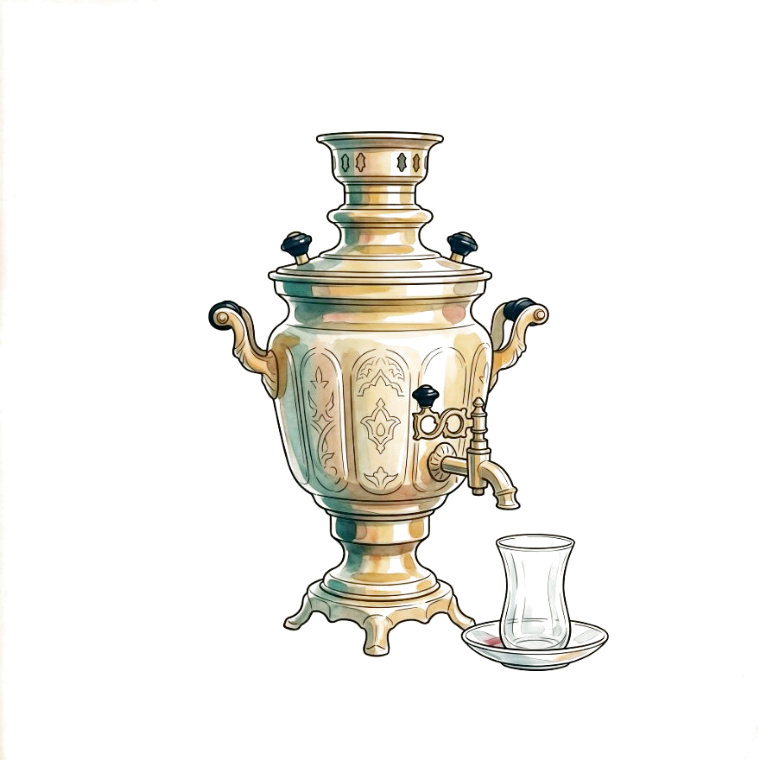
The Grand Bazaar in Tehran is 10 kilometers of covered corridors, 10,000 shops, and approximately zero fixed prices. Everything is negotiable. the carpet, the saffron, the tea set, and sometimes even the tea the shopkeeper offers you while you're pretending to think about the carpet.
Bargaining in Iran isn't confrontational. It's social. It's a dance with predictable steps: they name a price, you express shock, they lower it, you counter lower, they tell a story about their family, you drink tea, and somewhere in the middle you arrive at a number both sides can live with. The whole exchange might take three minutes or thirty. and knowing the Farsi phrases for each step is what determines whether you pay tourist price or something closer to local.
This is part of the travel Farsi series.
The Rial / Toman System (Read This First)
Iran's currency situation confuses every tourist. The official currency is the ریال (riyâl), but nobody uses it in conversation. Everyone speaks in تومان (tomân). One toman = ten rials.
When a shopkeeper says بیست تومن (bist tomân. twenty toman), they mean 200,000 rials. When the bill says ۲۰۰,۰۰۰, that's rials. Divide by 10 to get the toman price that matches what people say.
Numbers you need for the bazaar:
| Number | Farsi | Pronunciation |
|---|---|---|
| 10 | ده | dah |
| 20 | بیست | bist |
| 30 | سی | si |
| 40 | چهل | chehel |
| 50 | پنجاه | panjâh |
| 100 | صد | sad |
| 200 | دویست | divist |
| 500 | پانصد | pânsad |
| 1 million | یک میلیون | yek milyun |
The full numbers guide covers counting 1-1000 and the complete rial/toman system.
The Bargaining Script
Phase 1: Asking the Price
You: ببخشید، این چنده؟
Bebakhshid, in chande?
"Excuse me, how much is this?"
Seller: این صد تومنه.
In sad tomane.
"This is 100 toman." (= 1,000,000 rials)
Phase 2: The Shock
You: وای! گرونه!
Vây! Gerune!
"Oh! That's expensive!"
This is mandatory. Even if the price is fair. Expressing shock at the first price is expected. it signals you know how the game works. Accepting the first price marks you as a tourist.
Phase 3: Your Counter-Offer
You: پنجاه تومن چطوره؟
Panjâh tomân chetore?
"How about 50 toman?"
Rule of thumb: Counter at 40-50% of the asking price. The final price will land somewhere between your counter and their opening. usually around 60-70% of the original ask.
Phase 4: The Back-and-Forth
Seller: نه، نمیصرفه. هشتاد تومن.
Na, nemisarfe. Hashtâd tomân.
"No, that doesn't cover costs. 80 toman."
You: شصت تومن. آخرین قیمت.
Shast tomân. Âkharin gheymat.
"60 toman. Final price."
Seller: هفتاد. قبول؟
Haftâd. Ghabul?
"70. Deal?"
You: باشه. هفتاد.
Bâshe. Haftâd.
"OK. 70."
Phase 5: Walking Away (Nuclear Option)
If they won't budge and you think the price is too high:
You: ممنون، فکر میکنم.
Mamnun, fekr mikonam.
"Thanks, I'll think about it."
Turn and walk slowly toward the exit. In about 70% of cases, they'll call you back with a lower price. If they don't. the price was already fair and you should either accept it or move on.
Key Bargaining Phrases
| Farsi | Transliteration | English | When |
|---|---|---|---|
| این چنده؟ | in chande? | How much is this? | Opening |
| گرونه! | gerune! | It's expensive! | After first price |
| تخفیف میدید؟ | takhfif midid? | Discount? | Alternative to counter-offer |
| آخرین قیمتتون؟ | âkharin gheymat-etun? | Your final price? | Cutting to the chase |
| اگه دوتا بخرم ارزونتر میشه؟ | age do-tâ bekharam arzuntar mishe? | Cheaper if I buy two? | Volume discount |
| ممنون، نمیخوام | mamnun, nemkhâm | Thanks, I don't want it | Walking away |
| باشه، قبول | bâshe, ghabul | OK, deal | Closing the negotiation |
Where to Bargain (and Where NOT To)
BARGAIN: Bazaars, carpet shops, souvenir shops, street vendors, jewelers in the bazaar
DON'T BARGAIN: Supermarkets, restaurants (the bill is the bill), pharmacies, bookshops, modern shopping malls with tagged prices
Rule: If there's a price tag, the price is fixed. If there isn't, negotiate.
Cultural Tips
- Accept the tea. If a shopkeeper offers tea, accept it. It doesn't obligate you to buy. It's hospitality. Refusing tea is mildly rude.
- Don't show too much excitement. If you grab something and say "I LOVE this!". you've lost your bargaining power. Stay casual.
- Cash gets better prices. Card transactions have fees. Offering cash sometimes earns an extra 5-10% discount.
- Speaking Farsi helps. Negotiating in Farsi rather than English signals that you know the market. Prices drop noticeably when the shopkeeper realizes you're not a standard tourist.
Want to understand the history behind Iran's bazaar culture? Wikipedia's article on Tehran's Grand Bazaar is a solid starting point, and Lonely Planet's Grand Bazaar guide covers practical visit tips.
FAQ
How much should I haggle in an Iranian bazaar?
What is the toman/rial confusion?
Is it rude to bargain in Iran?
Do international credit cards work in Iran?
Should I bargain for saffron?
Bargaining in a Persian bazaar is one of the most genuinely fun experiences you can have in Iran. It's theater, social interaction, and shopping rolled into one. Learn the numbers, practice the shock face, and remember: the shopkeeper has done this ten thousand times. You're not going to offend them by negotiating. you're going to earn their respect.
The 50 travel phrases cover the broader vocabulary. Need to drill numbers before your trip? ZabanYar's number trainer gets Persian digits into your muscle memory.
Part of our Essential Farsi for Traveling in Iran series. See the full travel phrasebook for phrases beyond the bazaar.
Get it wrong and the worst that happens is a warm laugh and a story they’ll tell for years. Get it right — refuse the tea twice, accept on the third — and you’ll watch a face open up. You didn’t just speak Persian. You played the game.
A teacher from Tabriz, based in Milano. 5.0 on Preply across 42 reviews, 1,100+ lessons taught. He curates the growing dictionary behind this site.