

Pimsleur vs Chai and Conversation for Farsi: Which One Wins?
Pimsleur vs Chai and Conversation for learning Farsi. We tested both and picked a clear winner for different learner types.
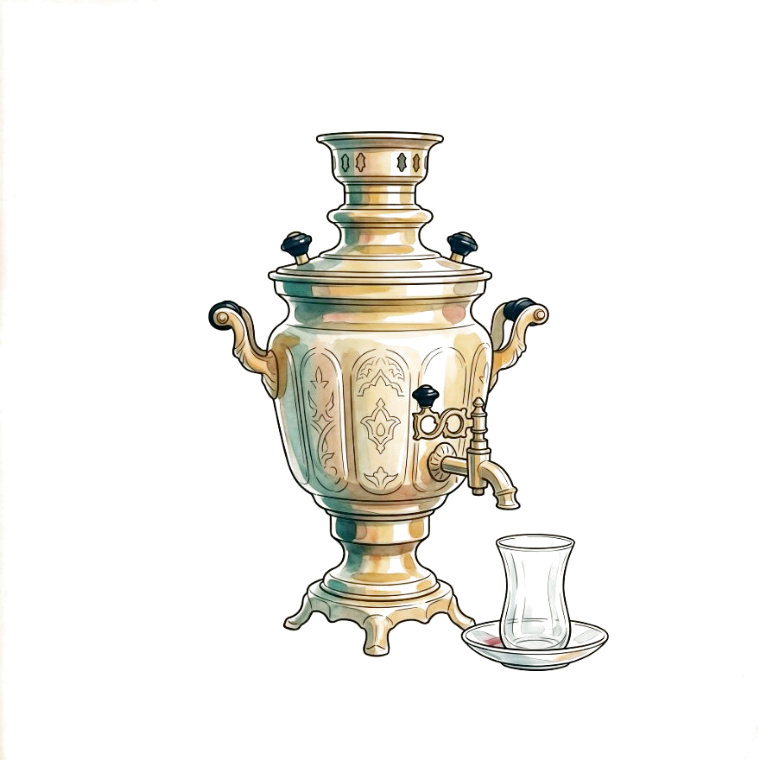
Two audio-first approaches to learning Farsi. One costs $150 and drills formal sentences into your brain through repetition. The other is free and teaches you how Iranians actually talk through storytelling and culture. I used both for a month each. Pimsleur on my morning commute, Chai and Conversation while cooking dinner, and the results weren't even close.
This comparison matters because audio resources are the most popular entry point for Persian learners. You're probably deciding between these two right now. Here's what happened when I put them head to head.
Level: A1-B1 | Time: 15-30 min/day | Cost: Free vs $150 | Best for: Listening, Pronunciation
Quick Verdict: Chai and Conversation wins for most learners
Quick Verdict
Chai and Conversation is better for 80% of learners. It teaches spoken Tehrani Persian (what you'll actually hear), it's free, and it covers culture alongside language. Pimsleur is better if you need formal phrases for professional settings, prefer structured repetition, or can't stand podcast-style formats. But at $150 vs free, Chai needs to be really bad to lose, and it's not.
Side-by-Side Comparison
| Feature | Pimsleur | Chai and Conversation |
|---|---|---|
| Price | $150 (all levels) or $20/mo | Free (Premium $15/mo) |
| Format | 30-min structured audio lessons | 15-20 min podcast episodes |
| Register taught | Formal/written | Spoken Tehrani |
| Total content | 60 lessons (30 hrs) | 300+ episodes |
| Script teaching | None | Premium only |
| Cultural context | Almost none | Strong (every episode) |
| Pronunciation quality | Excellent (studio audio) | Excellent (native speaker) |
| Grammar explanations | Implicit (patterns) | Conversational explanations |
| Offline access | Yes (downloaded) | Yes (podcast app) |
| Persian script | Zero | Free: zero / Premium: yes |
Pronunciation: Tie. Different Strengths
Pimsleur's audio is studio-quality. The speakers are clear, the pacing is deliberate, and the spaced recall system forces you to produce sounds repeatedly. After 30 days, I could pronounce formal phrases with textbook accuracy. The ghayn (غ) and khe (خ) got cleaner through sheer repetition.
Chai and Conversation's host, Leyla Shams, speaks natural Tehrani Persian. Her pronunciation is what you'll actually hear in Iran. contracted forms, relaxed vowels, natural speed. After 30 days, I could understand real Iranian speech better because my ear was trained on the real thing, not a polished studio version.
Pimsleur trains your mouth. Chai trains your ear. Both matter.
What You Actually Learn: Chai Wins
After 30 Pimsleur lessons, I could say: Mikhāham beravam (I want to go), Shomā engelisi sohbat mikonid? (Do you speak English?), Lotfan āheste-tar sohbat konid (Please speak slower). Formal, grammatically correct, useful in a consulate. Useless at my aunt's dinner table.
After 30 Chai episodes, I could say: Mikham beram, Engelisi baladi?, Yekam āheste-tar. The colloquial versions. The ones people use. Plus I understood ta'arof rhythms, knew when to refuse food and when to accept, and could follow half of a phone conversation between my cousins.
Chai teaches the language people speak. Pimsleur teaches the language people write. For most learners, speaking comes first.
Value for Money: Chai Wins (Obviously)
Chai and Conversation's free tier gives you 300+ episodes of native-speaker Persian with English explanations. Pimsleur gives you 60 lessons for $150, or $20/month on a subscription. Even Chai's Premium tier ($15/mo for transcripts and bonus content) costs less than Pimsleur's cheapest option.
The math is brutal for Pimsleur: you'd need to believe its structured repetition method is 10x more effective than Chai's conversational approach to justify the price difference. It's not. It's maybe 1.2x more effective for pronunciation drilling, and 0.5x as effective for conversational comprehension.
Structure and Progression: Pimsleur Wins
This is Pimsleur's one clear advantage. Each lesson builds on the last in a deliberate sequence. Vocabulary is introduced, spaced, and tested through graduated recall intervals. You never wonder "what should I study next?". the program decides for you.
Chai and Conversation is a podcast, and it feels like one. Episodes are thematic but not sequenced. You can jump from Episode 12 (colors) to Episode 47 (ta'arof) to Episode 3 (greetings) without confusion, but also without a clear sense of progression. For self-directed learners, this is fine. For someone who needs a curriculum, it's a problem.
Who Should Pick Pimsleur
You're preparing for a formal situation. a business trip, a diplomatic posting, a university course where formal Persian matters. You need structured daily lessons with zero decisions about what to study. You have $150 to spend and prefer polished, studio-quality instruction over podcast-style content. You don't care about learning the script (Pimsleur teaches zero reading).
Who Should Pick Chai and Conversation
You want to talk to Iranians. family, friends, people you'll meet traveling. You want to understand Iranian culture, not just the language. You're on a budget (or not on a budget but prefer free). You're okay with self-directed learning and can handle a non-linear podcast format. You want Tehrani Persian, not textbook Persian.
Our app, ZabanYar, is coming soon.
Read the full reviews: Pimsleur Farsi Review | Chai and Conversation Review | All Farsi Learning Resources
For the complete picture, see our guide to all Farsi learning resources where we rank every option.
Is Pimsleur or Chai and Conversation better for learning Farsi?
Can I use both Pimsleur and Chai and Conversation together?
Does Pimsleur teach spoken Persian or formal Persian?
Is Pimsleur Farsi worth $150?
What's the best free way to learn Farsi by listening?
Get it wrong and the worst that happens is a warm laugh and a story they’ll tell for years. Get it right — refuse the tea twice, accept on the third — and you’ll watch a face open up. You didn’t just speak Persian. You played the game.
A teacher from Tabriz, based in Milano. 5.0 on Preply across 52 reviews, 1,652 lessons taught. He curates the growing dictionary behind this site.
 Reviews & ToolsMango Languages Farsi Review: The Library's Secret WeaponJul 2026
 Reviews & ToolsChai and Conversation Review: The Free Farsi Podcast in 2026Jun 2026
 Reviews & ToolsPimsleur Farsi Review: Is the Audio Course Worth It?Apr 2026
 Reviews & ToolsPersianPod101 Full Review: Is the Premium Worth It?Jun 2026
 Reviews & ToolsChai and Conversation Review 2026: Still the Best Free Farsi Podcast?Dec 2025
 Reviews & ToolsLing App Farsi Review: Duolingo's Persian CousinApr 2026