

Chai and Conversation Review: The Free Farsi Podcast in 2026
A deep-dive review of the Chai and Conversation podcast: 237 free episodes since 2010, what the paid membership adds, and where to start.
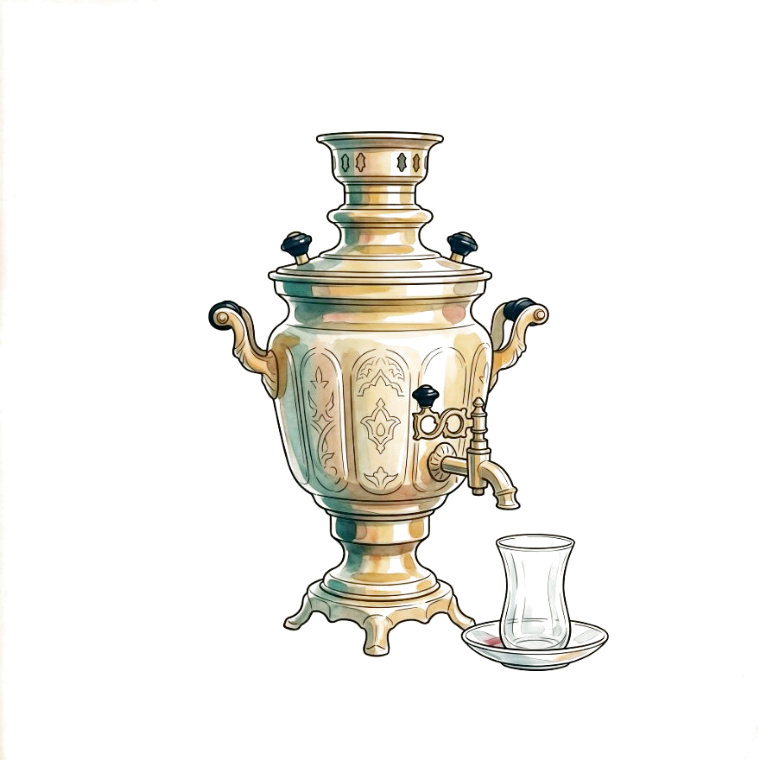
Chai and Conversation is one of the most often recommended Farsi resources, and for good reason: the free podcast, hosted by Leyla Shams, has been teaching spoken Persian since 2010.
This is the deep-dive review. Not the quick comparison in the shorter review, but a full breakdown of the free podcast and the paid membership.
Level: Beginner to intermediate | Time: 15-30 min/day | Cost: Free podcast (paid membership available) | Best for: Listening, Speaking, Culture
Our verdict: 8/10
| Criterion | Score |
|---|---|
| Persian Specificity | 9/10 |
| Real-World Usefulness | 8/10 |
| Value for Money | 9/10 |
| Overall impression | 7/10 |
What Is Chai and Conversation?
A podcast and online course hosted by Leyla Shams that teaches conversational Persian. The public podcast feed holds 237 episodes, the first from December 2010 and the newest from October 2026: 76 numbered speaking lessons plus poetry, interview and culture episodes.
The free tier is the podcast itself, available on Apple Podcasts, Spotify and the website. A paid membership adds course materials; the site lists pre-recorded video lessons and downloadable printed worksheets. Check the current price on the site before you sign up.
What Works
Leyla's Teaching Style Is the Real Product
The lessons teach spoken, colloquial Persian, the way an Iranian friend talks, not the way a textbook presents the language. Grammar comes through conversation rather than tables, and the cultural asides teach you a lot about Iran along the way. Two lessons are given over to ta'arof, the Iranian etiquette of polite offers and refusals.
Most importantly, it's consistent. More than fifteen years of episodes add up to a catalog no app can match, and there is an episode for many of the topics a learner runs into.
It Teaches What People Actually Say
The speaking lessons start from real situations: greeting people, saying where you are from, ordering in a restaurant, talking about what you want. Lesson 3 introduces the different forms of "you", formal shomâ and casual to, early, because you need them in your first conversation.
The Back Catalog Is a Course
The numbered speaking lessons run in order from greetings upward; the poetry, interview and culture episodes branch out from there. It's not perfectly organized as a curriculum, but the breadth is hard to beat.
Where It Falls Short
No Script Teaching in the Free Podcast
The podcast is audio. You'll learn to understand spoken Farsi, but on its own it won't teach you to read Persian script. You need the paid materials or another resource for that, and it's the biggest gap for beginners.
Not a Structured Course
Outside the numbered speaking lessons, episodes are standalone, and there's no "start here, then go here" path through the poetry and interview episodes. The paid membership adds structure, but the free podcast is a buffet, not a menu. For self-directed learners, this is fine. For people who need someone to plan their path, it's a problem.
Grammar Coverage Is Incomplete
Grammar comes up when the conversation needs it, not systematically. If you need grammar as a system (rules, then exceptions, then practice), you need a textbook alongside this podcast.
The Paid Membership Question
Is the membership worth it? If you want to read along and work from printed material, probably yes for a few months. Once you can follow the audio without help, you have likely got most of its value.
Best Episodes to Start With
Speak Lesson 1: How to Greet People and Ask How They're Doing. The obvious starting point.
Speak Lesson 3: How to Introduce Where You are From, and Introducing the Different forms of You. Formal and casual "you", which you need from day one.
Speak Lesson 37: A Dialogue in a Restaurant. A full dialogue in a real situation.
Speak Lesson 43: Talking about Wants and Possibilities. How to say what you want to do, one of the most useful structures in spoken Farsi.
Speak Lessons 51 and 52: Introducing Ta'arof, and Navigating Ta'arof in Different Social Situations. The cultural lessons that explain why an Iranian host keeps insisting.
| Category | Score | Notes |
|---|---|---|
| Audio Quality | 8/10 | Clear, consistent quality across the catalog |
| Lesson Structure | 6/10 | Individual episodes well-structured; overall progression loose |
| Listening Difficulty | 7/10 | Good range from beginner to upper-intermediate |
| Supplemental Materials | 7/10 | Paid worksheets and video lessons add reading and structure |
| Back Catalog Value | 9/10 | 237 episodes since 2010 |
Who Should Listen
Most Farsi learners. Beginners for ear training and cultural context. Intermediate learners for colloquial grammar and register awareness. Advanced learners for the poetry, culture and interview episodes. Heritage speakers for filling gaps in conversational Farsi they never formally learned.
The only learners it doesn't suit: pure reading/writing learners who have no interest in spoken Farsi, and learners who need rigid structure and can't handle self-directed listening.
The Verdict
Chai and Conversation is one of the best free Farsi listening resources available. The podcast alone won't teach you to read, write, or learn grammar systematically, but it will train your ear for spoken Persian.
Pair it with an alphabet and vocabulary tool for the two things the podcast doesn't cover, and a grammar textbook like Persian of Iran Today if you want the full picture. Our app, ZabanYar, is coming soon.
See the shorter review: Chai and Conversation Quick Review. For the complete picture, see our guide to all Farsi learning resources where we rank every option.
Is Chai and Conversation still active in 2026?
Is the Chai and Conversation membership worth paying for?
What level is Chai and Conversation for?
Does Chai and Conversation teach the Persian alphabet?
Can I learn Farsi just from Chai and Conversation?
Get it wrong and the worst that happens is a warm laugh and a story they’ll tell for years. Get it right — refuse the tea twice, accept on the third — and you’ll watch a face open up. You didn’t just speak Persian. You played the game.
A teacher from Tabriz, based in Milano. 5.0 on Preply across 52 reviews, 1,652 lessons taught. He curates the growing dictionary behind this site.
 Reviews & ToolsChai and Conversation Review 2026: Still the Best Free Farsi Podcast?Dec 2025
 Reviews & ToolsMango Languages Farsi Review: The Library's Secret WeaponJul 2026
 Reviews & ToolsPersianPod101 Full Review: Is the Premium Worth It?Jun 2026Reviews & ToolsPimsleur vs Chai and Conversation for Farsi: Which One Wins?May 2026
 Reviews & ToolsPimsleur Farsi Review: Is the Audio Course Worth It?Apr 2026
 Reviews & ToolsIs HelloTalk Good for Learning Farsi? The Penpal TrapJun 2026