

Hafez and the Art of Not Caring in Farsi
Hafez's "Salaah-e kaar" ghazal is his most defiant poem: a rejection of religious hypocrisy, social expectations, and the pressure to behave. Break it down couplet by couplet with vocabulary, cultural context, and the philosophy of rendi.
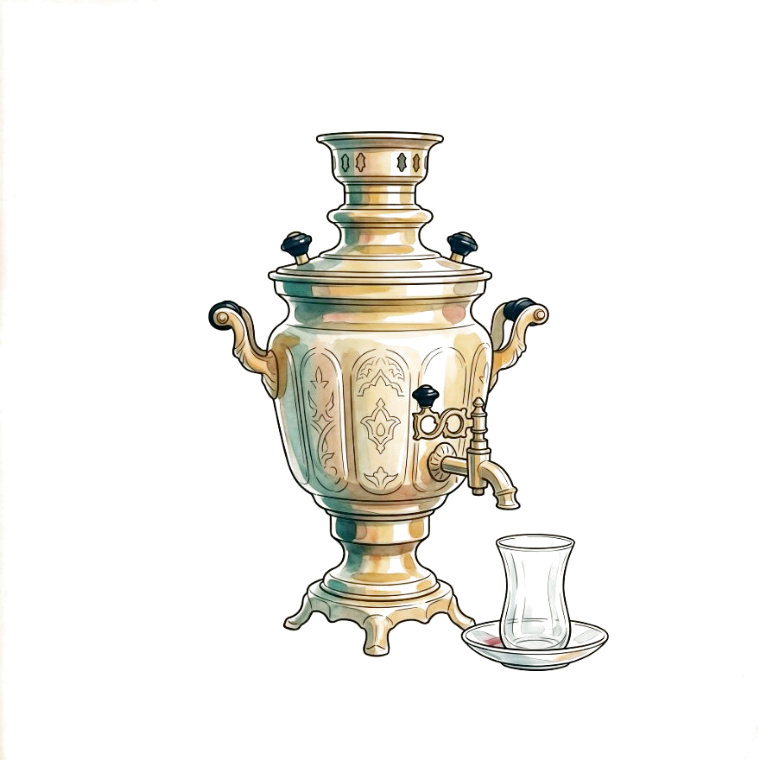
This is Part 10 of "Persian Poetry for People Who Don't Read Poetry." If you've been following along, you already know Hafez can make you cry into your wine. But today we're looking at a different side of him, the side that tells the whole world to go to hell. If you've ever searched for the real hafez poetry meaning behind his most rebellious lines, this ghazal is where you start.
The Ghazal That Tells Propriety to Get Lost
The poem opens with one of the most quoted lines in all of Persian literature:
صلاحِ کار کجا و من خراب کجا
Salaah-e kaar kojaa va man-e kharaab kojaa
Where is propriety, and where am I, the ruined one?
Read that again. Hafez isn't asking a question: he's making a statement. The distance between "proper behavior" and himself is so vast it's almost funny. He's not apologizing. He's not promising to do better. He's pointing at the gap between what society expects and who he actually is, and he's laughing.
This ghazal, sometimes called the "Salaah-e Kaar" ghazal, is Hafez at his most defiant. It was probably written in 14th-century Shiraz, during a time when religious authorities had real power over daily life, when being seen at the wrong gathering or saying the wrong thing could end you. And here's Hafez, one of the most educated men in the city, essentially saying: I'm a mess and I don't care.
To understand why this matters, you need to understand one word: rend (رند).
Rendi: The Philosophy of the Rogue
In Hafez's world, a rend (رند) is not a criminal. He's not a thug. The rend is someone who sees through hypocrisy, especially religious hypocrisy, and refuses to play along. The concept of rendi (رندی), "roguishness" or "holy mischief," is central to Hafez's entire body of work.
Think of it this way. In 14th-century Shiraz, you had two types of religious figures. The zahed (زاهد), the ascetic, the guy who prays loudly, fasts publicly, and makes sure everyone knows how pious he is. And the rend, the one who drinks wine (literal or metaphorical), hangs out at the tavern, and trusts love over law.
Hafez consistently sides with the rend. Not because he's anti-religion (scholars have debated his actual beliefs for 700 years), but because he despises performance. The zahed performs piety. The rend actually lives it, just not in ways anyone would recognize.
This distinction is still alive in Iranian culture. When someone in Tehran says "oon yeki kheili zaahed-e" (that one's very zahed-like), it's not a compliment. It means they're fake. Performatively good. And when someone is called a rend? That's respect. That's someone who knows the game and chooses not to play it.
If the difference between how Iranians actually talk and how poetry sounds confuses you, I broke that down in my post on spoken Farsi vs. written Persian. Short version: the emotional register is the same, even if the grammar shifts.
Couplet by Couplet: The Breakdown
Let's go through the key couplets. I'm not covering all of them: some require a level of Sufi context that would turn this into a dissertation. But these are the ones that hit hardest.
Couplet 1: The Declaration
صلاحِ کار کجا و من خراب کجا
Salaah-e kaar kojaa va man-e kharaab kojaa
Where is propriety, and where am I, the ruined one?
ببین تفاوت ره از کجاست تا به کجا
Bebin tafaavot-e rah az kojaast taa be kojaa
See how far the distance is from there to here
Vocabulary:
- صلاح (salaah): propriety, righteousness, doing-the-right-thing
- خراب (kharaab): ruined, wasted, destroyed (but used here almost proudly)
- تفاوت (tafaavot): difference, distance, gap
- ره (rah): path, road (shortened from راه)
The word kharaab is doing heavy lifting here. In everyday Farsi, kharaab means broken: your car is kharaab, the weather is kharaab. But in Hafez, being kharaab means being destroyed by love, by wine, by the overwhelming experience of the divine. It's a badge of honor. You're so consumed by something real that you can't maintain appearances anymore.
And that bebin (ببین), "look," "see": it's an imperative. Hafez is talking directly to you. To the reader. To whoever is judging him. Look at this gap. Really look at it. And then ask yourself which side you'd rather be on.
Couplet 2: The Tavern vs. The Sermon
دلم ز صومعه بگرفت و خرقهٔ سالوس
Delam ze sowme'e begrift o kherqe-ye saalus
My heart grew weary of the monastery and the cloak of hypocrisy
کجاست دیر مغان و شراب ناب کجا
Kojaast deyr-e moghaan o sharaab-e naab kojaa
Where is the Magian temple, and where is the pure wine?
Vocabulary:
- صومعه (sowme'e): monastery, hermitage, place of worship
- خرقه (kherqe): the patched cloak worn by Sufis and ascetics
- سالوس (saalus): hypocrisy, pretense
- دیر مغان (deyr-e moghaan). Magian temple (i.e., the tavern, the place of real worship)
- شراب ناب (sharaab-e naab): pure wine
Here's where the social commentary bites. The sowme'e is where the zaheds hang out: all outward piety, no inner truth. The kherqe-ye saalus, the "cloak of hypocrisy," is one of Hafez's favorite targets. These Sufi cloaks were supposed to represent humility, but Hafez saw them as costumes. People wore them to look holy.
So what does he want instead? The deyr-e moghaan: the Zoroastrian fire temple, which in Hafez's symbolic vocabulary means the tavern, the place where pretense is stripped away. Where you drink real wine (or real truth) instead of performing sobriety. The Magian temple is pre-Islamic. Hafez choosing it over the mosque is a deliberate provocation.
Couplet 3: The Preacher Who Can't Tempt Him
چه نسبت است به رندی صلاح و تقوا را
Che nesbat ast be rendi salaah o taqvaa raa
What connection is there between roguishness and piety?
سماع وعظ کجا نغمهٔ رباب کجا
Samaa'-e va'z kojaa naghme-ye rabaab kojaa
Where is the sound of preaching, and where the melody of the rebab?
Vocabulary:
- رندی (rendi): roguishness, holy mischief (there it is, the core concept)
- تقوا (taqvaa): piety, God-fearing behavior
- سماع (samaa'): listening, hearing (also a Sufi musical ceremony)
- وعظ (va'z): preaching, sermonizing
- رباب (rabaab): rebab, a stringed instrument
This couplet puts rendi and taqvaa in direct opposition. Not subtly. Hafez is asking, almost rhetorically, what could these two things possibly have in common? The preacher's sermon vs. the musician's melody. The lecture hall vs. the concert. Rules vs. feeling.
In daily Iranian life, people still make this distinction. When someone is being overly rigid or moralistic, you might hear "vaaz nagu" (وعظ نگو): "don't preach at me." The word va'z carried negative weight in Hafez's time and it still does.
Why Iranians Still Quote This Poem
Here's what makes this ghazal different from Hafez's gentler love poems. This one has an edge. When Iranians quote "salaah-e kaar kojaa va man-e kharaab kojaa," they're usually in a situation where someone is telling them to be proper, to behave, to follow the rules, and they're choosing not to.
It shows up in arguments with parents. In conversations about social expectations. In the quiet rebellion of doing something you're "not supposed to do." It's the poem you think of when you're at a party you shouldn't be at, loving someone you shouldn't love, or living a life that doesn't match what your family planned for you.
The reason it works, across seven centuries, is that the pressure to perform goodness never goes away. Every generation has its zaheds. Every generation has its kherqe-ye saalus. And every generation needs its rends.
If you've read my breakdown of the Shirazi Turk ghazal, you know Hafez can be tender and generous. And from the deeper translation piece, you know his wordplay operates on multiple levels simultaneously. But this ghazal? This is Hafez with his gloves off. No ambiguity. No gentle metaphor. Just: I'm a rend, I'm kharaab, and I'm not apologizing.
The Tension Between Piety and Poetry in Iran
There's a paradox at the heart of Iranian culture that outsiders rarely understand. Iran is an Islamic republic. It's also a country where the most beloved cultural figure, Hafez, spent his career mocking religious authorities. His tomb in Shiraz is one of the most visited sites in the country. People go there to ask him questions. They open the Divan-e Hafez at random and read whatever ghazal appears, treating it as an oracle. This practice is called faal-e Hafez (فال حافظ).
Let that sink in. A poet who relentlessly attacked religious hypocrisy is consulted like a prophet. His book is treated almost like a sacred text, in a country governed by religious law.
This isn't a contradiction for Iranians. It's actually the point. Hafez isn't anti-God. He's anti-pretending-to-be-Godly. The rend loves God more than the zahed does; that's the whole argument. The rend just refuses to perform it. And Iranians, who live under layers of social and political performance every single day, find that deeply appealing.
The concept of rendi is survival. When you can't be openly honest, you become a rend, someone who navigates the gap between what's required and what's real with wit, grace, and a certain beautiful stubbornness.
Vocabulary Recap: The Rendi Lexicon
If you want to sound like you've actually read Hafez (and understand him), here are the key words from this ghazal and their cultural weight:
| Word | Script | Literal Meaning | In Hafez |
|---|---|---|---|
| rend | رند | rogue, clever person | the spiritual rebel, the one who sees through hypocrisy |
| rendi | رندی | roguishness | a philosophy of authentic living vs. performed piety |
| zahed | زاهد | ascetic, pious person | the hypocrite, the performer of holiness |
| kharaab | خراب | ruined, broken | destroyed by love/truth, a good thing |
| salaah | صلاح | propriety, righteousness | the boring, suffocating expectation of "proper" behavior |
| kherqe | خرقه | patched Sufi cloak | the costume of fake holiness |
| deyr-e moghaan | دیر مغان | Magian (Zoroastrian) temple | the tavern, the only honest place |
| va'z | وعظ | sermon, preaching | empty moralizing that the rend rejects |
How These Lines Show Up in Daily Life
You'll hear echoes of this ghazal in situations you wouldn't expect:
"Salaah-e kaar kojaa...". Someone says this (usually just the first hemistich) when they've given up trying to meet an impossible standard. Your mom wants you to be a doctor, marry the right person, and pray five times a day? Salaah-e kaar kojaa va man-e kharaab kojaa. The gap between her expectations and your reality is a canyon.
"Kherqe-ye saalus". When someone is being performatively religious or moral, especially on social media, Iranians might reference this. The modern kherqe isn't a cloak: it's a carefully curated Instagram feed of piety.
"Rend". In casual Tehrani Farsi, calling someone a rend is complicated. It can mean cleverly mischievous (positive) or slippery and untrustworthy (negative), depending on tone. But in literary conversation, it's always Hafez's rend, the one who chose authenticity over approval.
The beauty of Hafez is that you don't need to be a scholar to use him. You just need to be tired of pretending.
FAQs
What is the meaning of Hafez's "Salaah-e kaar" ghazal?
The ghazal is about rejecting social expectations and religious hypocrisy. The opening line, "Where is propriety, and where am I, the ruined one?", declares that Hafez sees an unbridgeable distance between what society demands and who he actually is. It's a celebration of rendi (roguishness) over performed piety, and it's one of the most quoted poems in Iranian daily life.
What does "rend" mean in Hafez's poetry?
A rend (رند) in Hafez's poetry is a spiritual rebel, someone who sees through religious hypocrisy and refuses to perform piety for social approval. The rend is contrasted with the zahed (ascetic), who prays loudly but lacks genuine faith. Rendi (roguishness) is a core philosophy in Hafez's work: authenticity over appearances, love over law, the tavern over the sermon hall.
Why is Hafez still relevant in modern Iran?
Hafez remains relevant because the tension he wrote about, between authentic living and social performance, never went away. Iranians live under layers of social and political expectation, and Hafez's celebration of the rend (the one who refuses to pretend) resonates deeply. His tomb in Shiraz is one of the most visited sites in the country, and people still practice faal-e Hafez, opening his book at random for guidance.
What is the difference between a rend and a zahed in Persian poetry?
The zahed is the outwardly pious person who performs holiness: praying publicly, wearing the Sufi cloak, giving sermons. The rend is the opposite: someone who may appear irreverent or "ruined" but possesses genuine spiritual depth. In Hafez, the zahed is always the villain and the rend is always the hero. This distinction is still culturally active in Iran today.
Can beginners in Farsi read Hafez in the original?
Hafez is challenging for beginners because he uses classical Persian vocabulary and dense metaphor. However, certain famous lines, like "salaah-e kaar kojaa va man-e kharaab kojaa", use relatively simple words and can be memorized and understood at an intermediate level. Starting with individual couplets rather than full ghazals is the best approach, and pairing the original with transliteration and translation helps build reading skills gradually.
Want to learn the vocabulary from this poem? Our app, ZabanYar, is coming soon.
If Hafez's defiance speaks to you and you want to read him in the original, or at least understand the words well enough to feel them, book a session with me on Preply and we'll start with the poems that actually matter to you.
This is Part 10 of the Persian Poetry for People Who Don't Read Poetry series.
Previous: Episode 9: Ferdowsi's Shahnameh Closing
Next: Episode 11: Shamlu's "Dar In Bonbast"
Want the full overview of all our Persian poetry posts? See the complete poetry guide for learners.
Get it wrong and the worst that happens is a warm laugh and a story they’ll tell for years. Get it right — refuse the tea twice, accept on the third — and you’ll watch a face open up. You didn’t just speak Persian. You played the game.
A teacher from Tabriz, based in Milano. 5.0 on Preply across 52 reviews, 1,652 lessons taught. He curates the growing dictionary behind this site.
 Persian Culture & TraditionsPersian Tea Ceremony: Not a Recipe, a Language LessonAug 2026
 Persian Culture & TraditionsPersian Slang: 30 Words Iranians Really Use (2026)Apr 2026
 Persian Culture & TraditionsShahnameh Farsi: Ferdowsi's Closing 2 Lines, Word by WordAug 2026Persian Culture & TraditionsPersian Girl and Boy Names With Meanings: 60 NamesOct 2026Persian Culture & TraditionsStop Saying 'I' in Farsi: 4 Pronouns Iranians Use InsteadNov 2025Persian Culture & TraditionsGender and Language in Iran: How Men and Women Speak DifferentlyJul 2026