

Joonam, Jigaram, Azizam: Persian Terms of Endearment
Persian terms of endearment are intense, poetic, and occasionally terrifying in translation. From joonam (my soul) to ghorboonet beram (I'd sacrifice myself for you) to jigaram (my liver: yes, romantic), this is your complete guide to what Iranians actually call the people they love.
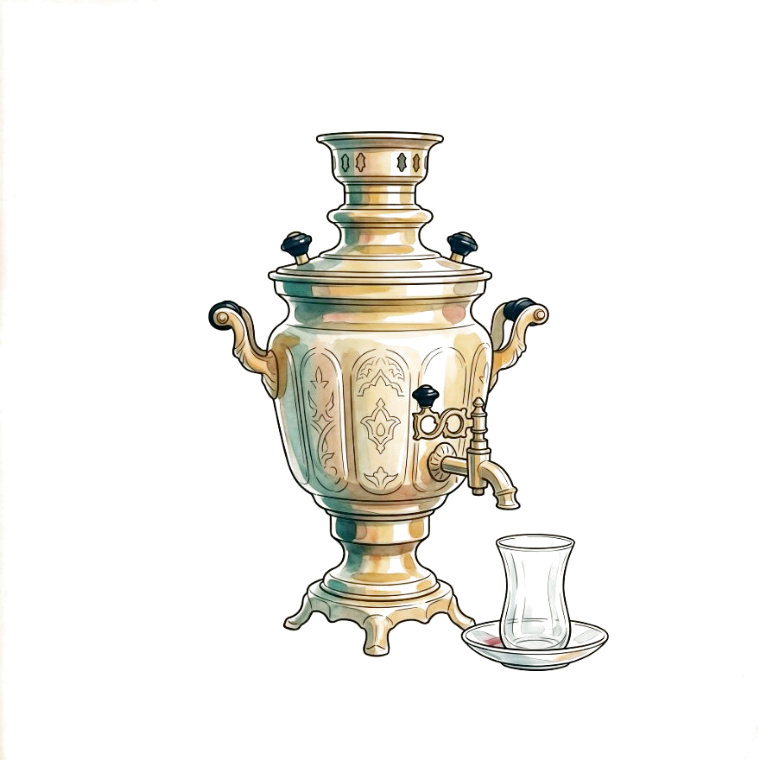
Short answer: Joonam literally means "my soul" or "my life", and mothers, lovers and grandmothers all use it. Jigaram means "my liver": in Persian the liver, not the heart, is the seat of deep passion, so it is genuinely romantic. Azizam, "my dear", is the safest of all, and nafasam, "my breath", is for serious partners.
Persian terms of endearment are intense, poetic and sometimes startling in translation. For “I love you” and other romantic phrases, start with our guide to Persian love phrases; this page is about what to call the person you love.
This guide is part of our Learning Farsi for Your Iranian Partner series.
In English, you have “baby,” “honey,” “sweetheart”: safe, sanitized, grocery-store words. In Italian, you get “amore mio” and “tesoro,” which are lovely but predictable. In Persian? We call people our liver. We offer to die for them. We volunteer to sacrifice ourselves. We threaten to eat their organs. And all of this is romantic. Persian terms of endearment operate on a frequency that most Western languages can’t even detect: somewhere between poetry and a hostage negotiation.
I teach Farsi to a lot of people who are dating Iranians. The number one question after “how do I survive dinner with the parents” is: what do I call my partner? Because they’ve heard their Iranian boyfriend whisper something that sounded beautiful, asked for a translation, and received “I would circle your grave”, which is, to be clear, one of the sweetest things you can say in Persian.
So here’s the full breakdown. The everyday terms, the intense ones, the organ-based ones, the ones that will get you kissed, and the ones that will start a fight.
The Everyday Terms: Safe, Warm, Use Freely
These are the bread and butter. You can use them from day one of a relationship without anyone calling the police.
Azizam (عزیزم). “My Dear”
This is the Persian equivalent of “babe” or “dear.” It comes from the Arabic root for “precious” or “beloved.” You’ll hear it constantly: between partners, from mothers to children, between close friends. It’s the safest term of endearment in the language. If you learn one word from this entire post, make it azizam.
Usage: “Azizam, bia inja” (عزیزم، بیا اینجا). “My dear, come here.” Universal. Warm. Zero risk of alarming anyone.
Joonam (جونم). “My Soul / My Life”
Now we’re getting into Persian territory. Joonam literally means “my soul” or “my life.” In English, calling someone “my soul” sounds like you’re in a Bronte novel. In Persian, it’s as common as breathing. Mothers say it to babies. Lovers say it to each other. Your partner’s grandmother will say it to you after meeting you once.
“Joon” (جون) gets attached to names too. “Elyar-joon,” “Sara-joon”: it softens the name and adds warmth. It’s like adding “-dear” to someone’s name, except less Victorian and more genuine. If your Iranian partner’s mom starts calling you “[Your Name]-joon,” you’re in. You’ve been accepted.
Delam (دلم). “My Heart”
Del (دل) is the heart in Persian, but not the physical organ. It’s the emotional center, the seat of feelings. “Delam barat tang shode” (دلم برات تنگ شده) means “my heart has become tight for you”, which is how Persians say “I miss you.” Weird in English. Devastating in Farsi.
“Delam” as a standalone term of endearment is intimate. You wouldn’t use it casually. It’s for moments when you’re being genuine, vulnerable, actually feeling something. Think of it as the Persian version of looking someone in the eyes and meaning it.
The Intense Ones: Proceed With Appropriate Emotion
These are the phrases that make Persian the most emotionally unhinged love language on earth. If you’ve read my piece on why Iranians want to die for their taxi drivers, you already know that Persian politeness involves a lot of death. Persian romance is the same, but louder.
Ghorboonet Beram (قربونت برم). “I’d Sacrifice Myself for You”
The heavyweight champion of Persian affection. Ghorboonet beram literally means “may I become your sacrifice”, as in, may I be slaughtered in your honor like a ritual offering. In practice, it means “I love you so much I’d do anything for you.” It’s what your partner’s mom says when she’s pinching your cheeks. It’s what lovers whisper. It’s what you say when your friend does something incredibly kind.
The casual form is just “Ghorboonet”. clipped, fast, dropped at the end of a sentence. “Mersi, ghorboonet” (Thanks, I’d die for you) is a perfectly normal thing to say to a shopkeeper. The full “ghorboonet beram” with feeling is reserved for people you actually care about.
Bemiram Barat (بمیرم برات). “I’d Die for You”
Even more direct than ghorboonet. Bemiram barat means “let me die for you.” Not “I would die.” Not “I could die.” “Let me die.” It’s a command directed at the universe: please let me absorb whatever suffering is headed toward this person.
My non-Iranian friends find this one genuinely alarming. “El, your mom just said she wants to die for you because you called her on a Tuesday.” Yes. That’s correct. That’s how we operate. Persian love is not a calm lake: it’s an emotional tsunami, and everyone involved is happy to drown.
Fadaat Besham (فدات بشم). “I’d Be Sacrificed for You”
Similar energy to ghorboonet but with a slightly different flavor. Fada (فدا) implies ransom: being given up in exchange for someone’s safety. “Fadaat besham” means “let me be your ransom.” It’s what you say when someone you love is going through a hard time. “Fadaat besham, ghorbanat beram” (I’d be your ransom, I’d sacrifice myself for you) stacked together? That’s peak Persian. Two death offers in one sentence. Poetry.
The Organ-Based Terms: Yes, They’re Romantic
This is where Persian really separates itself from every other language I know. English uses “sweetheart.” French uses “mon coeur.” Persian? Persian goes straight for the internal organs.
Jigaram (جیگرم). “My Liver”
In Persian anatomy, the liver, not the heart, is the seat of deep passion and courage. Calling someone jigaram (my liver) is genuinely romantic. It means “you are the core of me, the deepest part of my emotional being.” To an Italian ear, calling your girlfriend your fegato sounds absurd. In Persian it is a compliment.
Jigar on its own also means “hot” or “attractive.” “Che jigari!” (چه جیگری!) means “What a hottie!” You can say this about a person, a car, or an outfit. It’s versatile. Just don’t say it about your partner’s mother. That’s a different kind of conversation.
Jigar Talaa (جیگر طلا). “Golden Liver”
Because regular liver wasn’t enough. Jigar talaa means “golden liver”, used for someone who’s exceptionally good-hearted, kind, or precious. Mothers say it to their children. You might hear it from an in-law if you’ve really earned their affection. It sounds insane in English. In Persian, it’ll make someone’s whole week.
Ghalbam (قلبم). “My Heart”
Yes, we have a heart one too. Ghalbam is the physical heart (as opposed to “del,” the emotional heart). It’s less common as a term of endearment than jigaram, but it exists. It’s more literary, more formal, more… expected. Honestly, calling someone your liver is more impressive because it’s more culturally specific. Ghalbam is the safe choice. Jigaram is the power move.
The Food and Nature Terms: Sweet Without the Death
Not everything in Persian romance involves organ donation. There’s a softer register too.
Nafasam (نفسم). “My Breath”
Calling someone your breath means they’re as essential to your survival as air. Nafasam is tender and poetic: it’s got a Hafez-quality to it. Used between serious partners, usually in quiet moments. Not something you’d shout across a crowded room.
Noore Cheshmam (نور چشمم). “Light of My Eyes”
This is primarily used by parents for children, but lovers use it too. Noore cheshmam means “the light of my eyes”: you are what makes me see. It’s beautiful, traditional, and will absolutely make your Iranian partner emotional if they don’t hear it often.
Gole Man (گل من). “My Flower”
Simple. Sweet. Gole man means “my flower.” It’s used for women primarily, though not exclusively. It’s the least intense term on this list: more of a gentle compliment than a declaration of eternal devotion. Think of it as the Persian “darling.” Light, warm, no organs involved.
Gender Differences: Who Says What
Persian endearment terms aren’t strictly gendered, but there are patterns. Men are more likely to use jigaram and ghorboonet with romantic intensity. Women tend to use azizam and joonam more frequently in everyday speech. Both genders freely use bemiram barat and fadaat besham: death is an equal-opportunity expression of love.
Between male friends, you’ll hear dadash (داداش, brother) and azizam, but never “jigaram” in a romantic tone: that would cross a line. Between female friends, joonam is constant. “Joonam” between women is like “babe” between English-speaking friends: frequent, casual, and affectionate.
One thing that surprises my students: Iranian men are incredibly verbally affectionate in private. The stoic, formal guy who barely speaks at family dinner might be the one whispering “ghorboonet beram, bemiram barat, jigare mani” (I’d sacrifice myself for you, I’d die for you, you’re my liver) to his partner at home. The public/private split in Persian affection is enormous. Don’t judge a book by its tarof.
What NOT to Say: The Danger Zone
Not every Persian word is safe to throw around. Here are some landmines.
Don’t call a woman “khanoom” (خانم) sarcastically. Khanoom means “lady” or “Mrs.”: used respectfully, it’s fine. But with a sarcastic tone? “Khanoom nemikhan ghazaa dorost konan?” (The lady doesn’t want to cook?) That’s a fight. A big one. Khanoom with the wrong tone implies you’re mocking her, and the conversation will escalate faster than you can say “bebakhshid.”
Don’t use “jigaram” with your partner’s family members. Calling your mother-in-law “jigaram” is weird. She’s not your liver. She’s your partner’s mother. Use “maman-joon” if she’s invited you to, or stick with respectful terms. Jigaram is for your partner and close friends only.
Don’t overdo “ghorboonet” early in a relationship. Saying “ghorboonet beram” on the second date comes across as either insincere or clingy. Let the intensity build naturally. Start with “azizam,” graduate to “joonam,” and earn your way to “ghorboonet.” Persian romance, like good tahdig, can’t be rushed.
Avoid “to” (تو, informal you) with anyone older than your partner. I keep hammering this because it matters. Using informal language with elders, even affectionate informal language, reads as disrespect. Always use shoma with the older generation, even when deploying terms of endearment.
Putting It All Together: The Relationship Timeline
Here’s roughly how Persian endearment terms map onto a relationship:
Early dating: Azizam. Maybe joonam if things are going well. Keep it light.
Getting serious: Joonam freely. Delam barat tang shode when apart. Ghorboonet starts appearing.
Committed/engaged: Full arsenal deployed. Ghorboonet beram, bemiram barat, fadaat besham. Your partner will say all three in one breath when you do something sweet. You should try to reciprocate, even if your pronunciation is rough, the effort matters.
Married/long-term: Jigaram. Noore cheshmam. The terms get deeper and more organ-based. If your partner calls you “jigar talaa” after ten years together, that’s the Persian equivalent of a love letter.
Persian is not a language that does romance halfway. It goes all in: death, sacrifice, liver, soul, breath. If you’re with an Iranian, you’re going to be loved in a way that’s overwhelming, poetic, and occasionally sounds like a funeral. That’s the deal. And honestly? Once you get used to being someone’s liver, “baby” starts feeling kind of weak.
Want to practice this vocabulary? Our app, ZabanYar, is coming soon.
If you want to practice saying these properly, pronunciation, tone, context, all of it, or if you’re starting to learn Persian from scratch for your partner, book a lesson with me on Preply. I’ll make sure you can tell someone you’d sacrifice yourself for them without sounding like you’re reading from a phrasebook. For the full roadmap on learning Farsi for your relationship, see our complete guide to learning Farsi for your partner.
Keep Learning
This guide is part of: Learning Farsi for Your Iranian Partner
Related: Why Persian love language sounds like a medical emergency
Read next: 50 Farsi Family Phrases · Fighting in Farsi
New to Farsi? Start with the complete beginner's guide.
What is the most common Persian term of endearment?
Why do Iranians call people “my liver” (jigaram)?
What does “ghorboonet beram” mean in English?
Are Persian terms of endearment different for men and women?
When should I start using Persian endearment terms with my Iranian partner?
For romantic phrases beyond endearments, from vocabulary to cultural rules, see our guide to Persian love phrases.
Get it wrong and the worst that happens is a warm laugh and a story they’ll tell for years. Get it right — refuse the tea twice, accept on the third — and you’ll watch a face open up. You didn’t just speak Persian. You played the game.
A teacher from Tabriz, based in Milano. 5.0 on Preply across 52 reviews, 1,652 lessons taught. He curates the growing dictionary behind this site.
 Learn PersianThe Del Dictionary: How One Persian Word Contains an Entire Emotional UniverseJun 2026
 Learn PersianWhy Farsi Is Easier Than You Think (If You Speak English)May 2026
 Learn PersianFarsi for Journalists: Beyond Press BriefingsApr 2026Learn PersianFarsi in Hindi: Shared Words and How Close They AreApr 2026Learn PersianWhy Farsi Learners Start Thinking About Time DifferentlyJul 2026
 Learn PersianComprehensible Input for Farsi: Why Listening Isn't EnoughSept 2026