

In Chand-e? Haggling in Farsi at Tehran Grand Bazaar
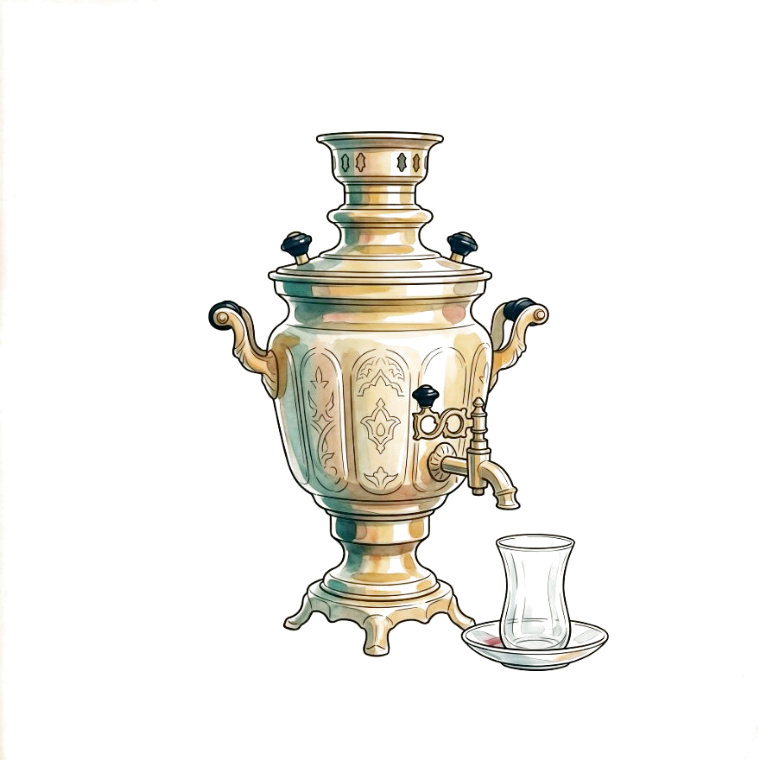
If you ever find yourself standing in the Tehran Grand Bazaar, copper gleaming overhead, saffron perfuming the air, vendors calling out from every direction, you're going to need one phrase above all others: in chande? (این چنده؟) That's "how much is this?" and it's your entry ticket into one of Iran's oldest social sports. Haggling in Farsi at bazaar stalls isn't just about saving money. It's a ritual. A dance. And honestly? It's fun once you know the steps.
This is Episode 5 of One Scene a Week, the series where I drop you into a real situation and give you every word you need to survive it. Today we're buying saffron and a copper tray. The vendor will try to charge you double. You'll push back. Tea might get involved. Let's go.
The Scene: Saffron and Copper at Bazaar-e Bozorg
You've wandered deep into Tehran's Grand Bazaar (بازار بزرگ. Bâzâr-e Bozorg). The place has been here since the Safavid era, and it feels like it. Vaulted brick ceilings, shafts of dusty light, thousands of shops crammed into winding corridors. You stop at a spice stall because a tin of saffron catches your eye. Then you spot a hand-hammered copper tray across the aisle. Time to negotiate.
Your mission: don't pay the tourist price.
The Full Dialogue
Here's the complete scene. Read it through once, then we'll break it apart.
| # | Speaker | Farsi | Transliteration | English |
|---|---|---|---|---|
| 1 | You | سلام، ببخشید. این زعفرون چنده؟ | Salâm, bebakhshid. In za'ferun chande? | Hi, excuse me. How much is this saffron? |
| 2 | Vendor | سلام! خوش اومدید. این یه مثقاله، پونصد تومن. | Salâm! Khosh umadid. In ye mesqâle, punsad toman. | Hi! Welcome. This is one mesqâl, 500 toman. |
| 3 | You | پونصد؟! گرونه داداش. | Punsad?! Geroone dâdâsh. | 500?! That's expensive, bro. |
| 4 | Vendor | گرون نیست، به خدا. زعفرون قاینات اصله. بو کن ببین. | Geroon nist, be khodâ. Za'ferun-e Qâenât asle. Bu kon bebin. | It's not expensive, I swear. It's real Qaen saffron. Smell it, see for yourself. |
| 5 | You | بوش خوبه، ولی تخفیف میدید؟ | Bush khube, vali takhfif midid? | It smells good, but can you give a discount? |
| 6 | Vendor | داداش، سود نداره برام. حالا چهارصد و پنجاه. | Dâdâsh, sud nadâre barâm. Hâlâ chahârsad-o-panjâh. | Bro, there's no profit in it for me. OK, 450. |
| 7 | You | سیصد و پنجاه چطوره؟ | Sisad-o-panjâh chetore? | How about 350? |
| 8 | Vendor | نه بابا! ضرر میکنم. بیا چایی بخور، حرف بزنیم. | Na bâbâ! Zarar mikonam. Biâ châyi bokhor, harf bezanim. | No way! I'd lose money. Come have tea, let's talk. |
| 9 | You | چشم، مرسی. پس چهارصد آخرشه؟ | Cheshm, mersi. Pas chahârsad âkhareshe? | OK, thanks. So 400 is the final price? |
| 10 | Vendor | چهارصد… باشه، قبوله. دو تا بخری سیصد و پنجاه میدم. | Chahârsad… bâshe, qabule. Do tâ bekhari sisad-o-panjâh midam. | 400… fine, deal. Buy two and I'll give them for 350 each. |
| 11 | You | یه دونه بسمه. اون سینی مسی رو هم چند میدید؟ | Ye dune basameh. Un sini-ye mesi ro ham chand mididid? | One is enough for me. How much would you give me that copper tray for too? |
| 12 | Vendor | اون دستسازه، هشتصد تومن. | Un dast-sâze, hashtsad toman. | That one's handmade, 800 toman. |
| 13 | You | کمترش کن دیگه! با زعفرون هزار و صد. خوبه؟ | Kamtarash kon dige! Bâ za'ferun hezâr-o-sad. Khube? | Lower it! With the saffron, 1100 total. Deal? |
| 14 | Vendor | هزار و صد… باشه بابا، بردی. خدا روزیتو زیاد کنه! | Hezâr-o-sad… bâshe bâbâ, bordi. Khodâ ruzito ziâd kone! | 1100… fine, you win. May God increase your fortune! |
Vocabulary Breakdown
| Farsi | Transliteration | Meaning | Notes |
|---|---|---|---|
| این چنده؟ | in chande? | How much is this? | The bread-and-butter bazaar phrase |
| گرونه | geroone | It's expensive | Spoken form; formal: گران است (gerân ast) |
| تخفیف میدید؟ | takhfif midid? | Can you give a discount? | Polite: uses "you" form میدید |
| کمترش کن | kamtarash kon | Make it less / lower it | More direct, use after rapport is built |
| حالا | hâlâ | Now / OK then | Vendors use this as a softener when dropping price |
| قبوله | qabule | Deal / accepted | This seals the negotiation |
| آخرشه | âkhareshe | That's the final (price) | آخر (âkhar) = last/end |
| ضرر میکنم | zarar mikonam | I'd lose money | Classic vendor line; take with a grain of saffron |
| دستساز | dast-sâz | Handmade | دست (dast) = hand |
| سینی مسی | sini-ye mesi | Copper tray | مس (mes) = copper |
| پونصد | punsad | 500 | Spoken; formal: پانصد (pânsad) |
| سیصد | sisad | 300 | Useful for counter-offers |
| هشتصد | hashtsad | 800 | هشت (hasht) = 8 |
| بردی | bordi | You won | From بردن (bordan) = to win/take |
Need a refresher on Farsi numbers and how to build prices? Check out my guide on counting in Farsi. It covers everything from 1 to a million.
Spoken vs. Formal: The Bazaar Doesn't Do Formal
The bazaar is one of the most informal environments in Iran. Nobody speaks textbook Persian here. If you walk up to a vendor and say "این چند است؟" (in chand ast?) with perfect formal pronunciation, they'll understand you, but they'll also immediately clock you as a foreigner reading from a phrasebook. Which means the price just went up.
Here's what changes in spoken Tehrani:
| Formal | Spoken (Tehrani) | What Changed |
|---|---|---|
| این چند است؟ (in chand ast?) | این چنده؟ (in chande?) | است drops, چند absorbs it → چنده |
| گران است (gerân ast) | گرونه (geroone) | ân → un shift, است → ه |
| تخفیف میدهید (takhfif midahid) | تخفیف میدید (takhfif midid) | میدهید compresses to میدید |
| نمیشود (nemishavad) | نمیشه (nemishe) | Classic spoken compression |
| بیایید (biâyid) | بیا (biâ) | Informal "you", normal between men at bazaar |
The ân → un vowel shift is everywhere in Tehrani spoken Farsi. گران becomes گرون. نان becomes نون. You'll hear it dozens of times per conversation at the bazaar. For more on these spoken shifts and the slang that actually gets used, that guide has you covered.
Cultural Notes: The Art of Haggling in Iran
Haggling in Iran isn't aggressive. It's not a confrontation. Think of it more like a friendly chess match where both players know the other is bluffing and nobody minds.
The opening price is never the real price. At a bazaar, especially the Grand Bazaar, the first number a vendor gives you is aspirational. They expect you to push back. If you just pay it, they'll be polite about it, but you've overpaid by 20-40%. Sometimes more if they pegged you as a tourist.
The tea factor. Did you notice line 8? The vendor invites you for chai. This is real and it happens constantly. Accepting tea doesn't obligate you to buy, but it shifts the dynamic. You're now a guest, not just a customer. The negotiation becomes more personal, more relaxed. Prices often drop faster after chai because the vendor wants to make a friend, not just a sale. Iranian hospitality is no joke. I've written about this dynamic in my haggling phrases guide if you want the deep cut.
When NOT to haggle. This is important. Don't haggle at:
- Supermarkets and chain stores: prices are fixed, you'll just embarrass yourself
- Pharmacies
- Restaurants (the price on the menu is the price)
- Government offices (obviously)
- Small bakeries: the nân (bread) price is often government-regulated
Haggling is for bazaars, street markets, independent shops, taxis without meters, and sometimes electronics stores. If prices are printed on a tag and the shop has fluorescent lighting, it's probably fixed.
"Dâdâsh" and "bâbâ": the bro code. Notice how both speakers throw around دادش (dâdâsh, bro/brother) and بابا (bâbâ, literally "dad" but used like "man/dude"). These aren't just filler. Using them signals familiarity. You're not a tourist haggling; you're a buddy working things out. Drop a well-timed دادش and watch the dynamic shift.
The Numbers Game: Quick Price Reference
You can't haggle if you can't understand the counter-offer. Here are the numbers that matter most for bazaar negotiations, in their spoken Tehrani form:
| Number | Formal | Spoken |
|---|---|---|
| 100 | صد (sad) | صد (sad) |
| 200 | دویست (devist) | دویست (divist) |
| 300 | سیصد (sisad) | سیصد (sisad) |
| 350 | سیصد و پنجاه (sisad-o-panjâh) | same |
| 400 | چهارصد (chahârsad) | same |
| 500 | پانصد (pânsad) | پونصد (punsad) |
| 800 | هشتصد (hashtsad) | same |
| 1000 | هزار (hezâr) | same |
One thing that trips up literally every foreigner: toman vs. rial. Iranians almost always quote prices in toman, which is 10x the rial. So "500 toman" = 5,000 rial. But sometimes (especially at banks or official places) you'll hear rials. When in doubt, ask: تومنه یا ریاله؟ (tomane yâ riâle?).
Your Homework
Before next week, practice this three-step flow out loud:
- Ask the price: این چنده؟ (in chande?)
- React: گرونه! (geroone!) or خوبه (khube, it's good)
- Counter-offer: [your number] چطوره؟ ([number] chetore?, how about [number]?)
Say it ten times. Get comfortable with the rhythm. The actual numbers don't matter; what matters is the confidence in your delivery. A vendor who hears you push back smoothly in Tehrani Farsi will respect the move and give you a better price, guaranteed.
FAQs
How do you say "how much" in Farsi for shopping?
Is haggling expected in Iran?
What does "takhfif midid" mean in Farsi?
What's the difference between toman and rial in Iran?
What should I NOT haggle over in Iran?
That's your bazaar survival kit. Next week we're moving from shopping to eating: you'll learn how to order food at a traditional restaurant and handle the inevitable fight over who pays the bill. Trust me, that one gets dramatic.
Want to drill this scene's vocab? Our app, ZabanYar (coming soon), is built to save words like these and drill them with spaced repetition.
If you want to practice these phrases with a real person before your next bazaar trip, book a session with me on Preply and we'll roleplay the whole scene until you sound like a local.
← Episode 4: Alo, Bebakhshid | Series Index | Episode 6: Ghormeh Sabzi Daarid? →
Get it wrong and the worst that happens is a warm laugh and a story they’ll tell for years. Get it right — refuse the tea twice, accept on the third — and you’ll watch a face open up. You didn’t just speak Persian. You played the game.
A teacher from Tabriz, based in Milano. 5.0 on Preply across 52 reviews, 1,652 lessons taught. He curates the growing dictionary behind this site.
 Farsi ScenesGhormeh Sabzi Daarid? Ordering Food in FarsiSept 2026
 Farsi ScenesTesliyat Migam | Farsi Condolences and Funeral PhrasesSept 2026
 Farsi ScenesDard Mikoneh | Farsi Pharmacy and Medical PhrasesJul 2026Farsi ScenesRefigham Narahat Shod | How to Apologize in FarsiMay 2026
 Farsi ScenesSalam, Chetori? | How to Introduce Yourself in FarsiJul 2026Farsi ScenesForvo Persian Review 2026: The Pronunciation Bible You're Not UsingJul 2026