Jujeh Kabab: Saffron Chicken on the Grill
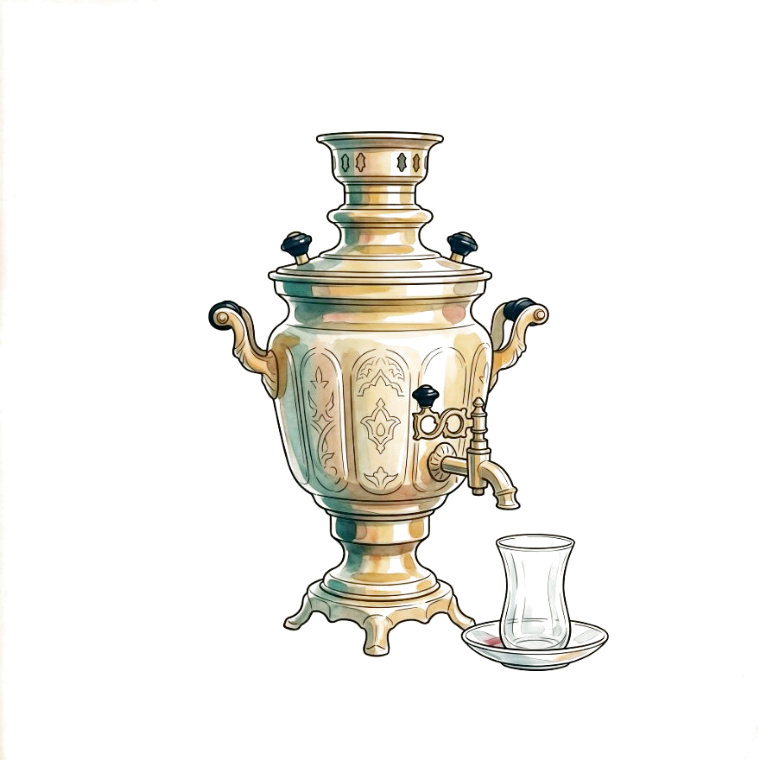
Iranians picnic like nobody else on earth. I'm not talking about a blanket in a park with some sandwiches. I'm talking about a full-scale operation: a manghal hauled to a riverside spot, bags of marinated chicken, coolers of doogh, a samovar for tea, and a sofre (سفره). a tablecloth. spread out on the ground with enough food to feed a small village. And at the center of almost every Iranian picnic is jujeh kabab (جوجه کباب): saffron-marinated chicken pieces grilled over charcoal until the outside is golden and the inside is ridiculous.
This jujeh kabab recipe is the one I grew up eating in parks around Tehran. It's the kebab for people who don't eat red meat, the one kids always pick first, and the one that smells so good on the grill that strangers start migrating toward your picnic spot. That's not an exaggeration. I've seen it happen at Park-e Jamshidieh. A family grilling jujeh kabab is a public event.
This is Episode 5 of Cook Your Way to Farsi. For the pronunciation breakdown, check my jujeh kabab pronunciation guide.
The Saffron Marinade: Where It All Happens
If koobideh is about the kneading and fesenjan is about the slow cook, jujeh kabab is about the marinade. Specifically, it's about the saffron. Za'ferān (زعفران) is the defining ingredient. Mixed with yogurt, onion, lemon juice, and a little oil, it turns ordinary chicken into something that glows gold on the grill.
Here's the thing about saffron: Iranian saffron is the best in the world. this isn't nationalistic bias, it's agricultural fact. Iran produces roughly 90% of the world's saffron supply. The stuff is expensive everywhere else, but in Iran, every home has a container of it. My mom uses saffron like other people use salt. liberally and without hesitation.
The marination time matters. Overnight is ideal. Four hours minimum. Anything less and you're just coloring the chicken. The yogurt tenderizes, the saffron flavors, and the lemon juice starts breaking down the meat. By the time it hits the grill, the chicken is already halfway to perfect.
Three Cooking Verbs for This Episode
Two returning verbs and one new one. We're fourteen episodes deep into our verb collection now.
1. Namak Zadan (Revisited). نمک زدن. To Salt
You learned this in Episode 3 with koobideh. Same pattern: namak (salt) + zadan (to strike). For jujeh kabab, you namak zadan the chicken before marinating. Seasoning early. not at the end. is a basic principle of Persian cooking.
2. Sorkh Kardan (Revisited). سرخ کردن. To Fry/Grill
Back from Episode 1, where we used it for tahdig. Here it describes what happens when the chicken hits the hot grill grates. the outside gets sorkh (red/golden), the fat renders, and the saffron caramelizes. Beautiful.
3. Cheshidan. چشیدن. To Taste
Cheshidan (چشیدن) means "to taste." It's a simple verb, not a compound. This is the verb your mom uses when she holds out a spoon and says bechesh (بچش). "taste this." For jujeh kabab, you taste the marinade before the chicken goes in, and you taste a piece off the grill before serving to check the seasoning.
You'll hear: bechesh bebin namak-esh khoobeh (بچش ببین نمکش خوبه). "taste it and see if the salt is right."
The Full Jujeh Kabab Recipe. In Farsi
Ingredients. Mavaad-e Lazem (مواد لازم)
| فارسی | Transliteration | English |
|---|---|---|
| ۱ کیلو ران و سینه مرغ | yek kilo rān va sineh-ye morgh | 1 kg chicken thighs and breasts |
| یک پنجم قاشق چایخوری زعفران دمکرده | yek panjom ghāshogh-e chāykhori za'ferān-e dam-kardeh | ⅕ teaspoon brewed saffron |
| ۳ قاشق غذاخوری ماست | se ghāshogh-e ghazākhori māst | 3 tablespoons yogurt |
| ۱ عدد پیاز بزرگ رندهشده | yek adad piyāz-e bozorg randeh-shodeh | 1 large onion, grated |
| آبلیمو (۲ قاشق غذاخوری) | āb-limoo (do ghāshogh-e ghazākhori) | Lemon juice (2 tablespoons) |
| ۲ قاشق غذاخوری روغن زیتون | do ghāshogh-e ghazākhori roghan-e zeytoon | 2 tablespoons olive oil |
| نمک و فلفل | namak va felfel | Salt and pepper |
| گوجه فرنگی و فلفل دلمهای (برای سیخ) | gojeh farangi va felfel-e dolmeh-i (barāye sikh) | Tomatoes and bell peppers (for skewers) |
| کره (برای تزیین) | kareh (barāye tazyin) | Butter (for basting) |
Step-by-Step. Dastoor-e Pokht (دستور پخت)
مرحله ۱: مرغ رو آماده کن
Marhaleh-ye yek: morgh ro āmādeh kon.
Step 1: Prepare the chicken.
مرغ رو تیکههای متوسط خرد کن. نه خیلی کوچیک. اگه از سینه مرغ استفاده میکنی، هر سینه رو به ۴ تیکه تقسیم کن. ران مرغ رو هم به تیکههای مشابه ببر. نمک و فلفل بزن.
Morgh ro tikeh-hā-ye motevaseht khord kon. na kheyli koochik. Ageh az sineh-ye morgh estefādeh mikoni, har sineh ro be chahār tikeh taghsim kon. Rān-e morgh ro ham be tikeh-hā-ye moshābeh bebor. Namak va felfel bezan.
Cut the chicken into medium pieces. not too small. If using chicken breast, divide each breast into 4 pieces. Cut thighs into similar pieces. Season with salt and pepper.
مرحله ۲: مارینِید رو درست کن
Marhaleh-ye do: mārined ro dorost kon.
Step 2: Make the marinade.
توی یه کاسه بزرگ ماست، زعفران دمکرده، آب پیاز رندهشده، آبلیمو، و روغن زیتون رو قاطی کن. خوب هم بزن. بچش. باید یه کم ترش و معطر باشه.
Tuye ye kāseh-ye bozorg māst, za'ferān-e dam-kardeh, āb-e piyāz-e randeh-shodeh, āb-limoo, va roghan-e zeytoon ro ghāti kon. Khoob ham bezan. Bechesh. bāyad ye kam torsh va mo'attar bāsheh.
In a large bowl, mix yogurt, brewed saffron, grated onion juice, lemon juice, and olive oil. Stir well. Taste it. it should be slightly sour and aromatic.
مرحله ۳: مرغ رو مارینِید کن
Marhaleh-ye se: morgh ro mārined kon.
Step 3: Marinate the chicken.
تیکههای مرغ رو بریز توی مارینِید و خوب قاطی کن. مطمئن شو همه تیکهها پوشیده شدن. درش رو بذار و بذار توی یخچال حداقل ۴ ساعت. بهترین حالتش یه شبه.
Tikeh-hā-ye morgh ro beriz tuye mārined va khoob ghāti kon. Motma'en sho hameh tikeh-hā pooshideh shodan. Dar-esh ro bezār va bezār tuye yakhchāl hadde-aghal chahār sā'at. behtarin hālat-esh ye shabeh.
Put the chicken pieces into the marinade and mix well. Make sure all pieces are coated. Cover and refrigerate for at least 4 hours. overnight is best.
مرحله ۴: سیخ بزن
Marhaleh-ye chahār: sikh bezan.
Step 4: Skewer.
مرغ رو از مارینِید دربیار. تیکهها رو بزن به سیخ. بین هر تیکه مرغ میتونی یه تیکه گوجه یا فلفل دلمهای بذاری. سیخها رو زیاد شلوغ نکن. بین تیکهها فاصله بذار تا حرارت برسه.
Morgh ro az mārined darbiyār. Tikeh-hā ro bezan be sikh. beyn-e har tikeh morgh mitooni ye tikeh gojeh yā felfel-e dolmeh-i bezāri. Sikh-hā ro ziyād sholoogh nakon. beyn-e tikeh-hā fāseleh bezār tā harārat beraseh.
Remove the chicken from the marinade. Thread pieces onto skewers. between each chicken piece you can put a tomato or bell pepper chunk. Don't overcrowd the skewers. leave space between pieces so the heat reaches them.
مرحله ۵: کباب کن
Marhaleh-ye panj: kabāb kon.
Step 5: Grill.
ذغال باید سفید و آماده باشه. سیخها رو بذار روی منقل. هر ۳-۴ دقیقه برگردون. با یه تیکه کره روی مرغ بزن در حین پختن. این کار باعث میشه مرغ خشک نشه و یه لایه طلایی روش بشینه. کل پخت ۱۵ تا ۲۰ دقیقه طول میکشه.
Zoghāl bāyad sefid va āmādeh bāsheh. Sikh-hā ro bezār ruye manghal. Har se-chahār daghigheh bargardun. Bā ye tikeh kareh ruye morgh bezan dar heyn-e pokhtan. in kār bā'es misheh morgh khoshk nasheh va ye lāyeh-ye talāyi rush beshineh. Kol-e pokht pānzdah tā bist daghigheh tool mikesheh.
The charcoal should be white and ready. Place skewers on the grill. Turn every 3-4 minutes. Brush butter on the chicken while grilling. this keeps the chicken moist and gives it a golden layer. Total cooking time is 15-20 minutes.
مرحله ۶: بچش و سرو کن
Marhaleh-ye shesh: bechesh va serv kon.
Step 6: Taste and serve.
یه تیکه مرغ رو از سیخ دربیار و بچش. نمکش کافیه؟ پخته شده؟ اگه خوبه، سرو کن با برنج زعفرانی، گوجه کبابی، و کره. یه لیوان دوغ هم بذار کنارش.
Ye tikeh morgh ro az sikh darbiyār va bechesh. Namak-esh kāfiyeh? Pokhteh shodeh? Ageh khoobeh, serv kon bā berenj-e za'ferāni, gojeh-ye kabābi, va kareh. Ye livān doogh ham bezār kenār-esh.
Take a piece of chicken off the skewer and taste it. Is the salt enough? Is it cooked through? If it's good, serve with saffron rice, grilled tomato, and butter. Put a glass of doogh (yogurt drink) next to it.
Picnic Vocabulary. Vazhehā-ye Picnic (واژههای پیکنیک)
| فارسی | Transliteration | English |
|---|---|---|
| سفره | sofreh | Tablecloth / spread |
| پارک | pārk | Park |
| آتیش | ātish | Fire |
| منقل | manghal | Charcoal grill |
| ذغال | zoghāl | Charcoal |
| دوغ | doogh | Yogurt drink (carbonated) |
| سماور | samāvar | Samovar (tea maker) |
| چای | chāy | Tea |
| رودخونه | roodkhooneh | River (colloquial) |
| کوه | kooh | Mountain |
| طبیعت | tabi'at | Nature |
Table Talk. Picnic Edition
Iranian picnic conversation has its own rhythm. Here's what you'll hear:
- !بیا بشین سر سفره. Biyā beshin sar-e sofreh!. "Come sit at the sofreh!" (The call to eat. You don't ask twice.)
- ذغال آماده شد؟. Zoghāl āmādeh shod?. "Is the charcoal ready?" (The most asked question at every Iranian picnic.)
- !جوجه خیلی خوشمزه شده. Joojeh kheyli khoshmaze shodeh!. "The chicken turned out really delicious!"
- !دوغ بده. Doogh bede!. "Pass the doogh!" (Doogh with kebab is non-negotiable.)
- !آخ جون، هوا عالیه. Ākh joon, havā āliyeh!. "Ahh, the weather is perfect!" (Iranians comment on the weather at every outdoor gathering.)
- !بیا یه چایی بزنیم. Biyā ye chāyi bezanim!. "Let's have a tea!" (Post-kebab tea from the samovar is sacred.)
Iranian Picnic Culture. Tabiat-Gardi (طبیعتگردی)
Tabiat-gardi (طبیعتگردی) literally means "nature-wandering," and it's one of Iran's most cherished traditions. On Fridays. the Iranian weekend. families pack up the car and head for the mountains, a riverside spot, or a park. The setup takes at least an hour: the sofreh goes down, the manghal gets lit, the samovar starts heating, and someone is already cutting watermelon.
Everyone brings something. That's the rule. One family brings the meat (already marinated at home). Another brings the rice. Someone else handles fruit. Tea and sugar are communal property. The logistics of an Iranian picnic would impress a military strategist.
Jujeh kabab is the default picnic kebab because it's forgiving. Unlike koobideh, which can fall off the skewer if you look at it wrong, jujeh stays put. The pieces are threaded on and they hold. Kids can eat it off the skewer like a lollipop. It's the stress-free option for outdoor cooking.
The best picnic spots in Tehran are in the northern mountains. Darband, Tochal, Darake. Families set up right next to the streams. In other cities it's similar: Isfahan families head to the Zayandeh River banks, Shiraz families go to the gardens. Wherever there's running water and shade, there's an Iranian family with a manghal. As my guide on family dinner phrases explains, food is the center of every Iranian gathering. and picnics are just dinner with better scenery.
Verb Recap. Cumulative List
| Verb | فارسی | Type | Meaning | Episode |
|---|---|---|---|---|
| shostan | شستن | Simple verb | To wash | 1 |
| dam kardan | دم کردن | Compound verb | To steam | 1, 2 |
| sorkh kardan | سرخ کردن | Compound verb | To fry | 1, 2, 5 |
| riz kardan | ریز کردن | Compound verb | To chop | 2 |
| ham zadan | هم زدن | Compound verb | To stir | 2, 4 |
| ezafe kardan | اضافه کردن | Compound verb | To add | 2 |
| sikh zadan | سیخ زدن | Compound verb | To skewer | 3 |
| khord kardan | خرد کردن | Compound verb | To mince/grind | 3 |
| namak zadan | نمک زدن | Compound verb | To salt | 3, 5 |
| pokhtan | پختن | Simple verb | To cook/stew | 4 |
| jooshandan | جوشاندن | Causative verb | To boil | 4 |
| cheshidan | چشیدن | Simple verb | To taste | 5 |
Twelve verbs. You now have enough cooking vocabulary to follow a recipe in Farsi, give basic instructions, and understand what your Iranian friend's mom is saying when she hands you a spoon.
FAQs
Jujeh kabab (جوجه کباب) is a Persian saffron chicken kebab. Chicken pieces are marinated in a mixture of saffron, yogurt, onion, lemon juice, and oil, then grilled on skewers over charcoal. It's one of Iran's most popular kebabs and the star of most Iranian picnics and outdoor gatherings.
Marinate jujeh kabab for at least 4 hours, but overnight is ideal. The yogurt in the marinade tenderizes the chicken, the saffron infuses flavor and color, and the lemon juice helps break down the meat. Anything less than 4 hours won't give the marinade enough time to work properly.
Tabiat-gardi (طبیعتگردی) means "nature-wandering" and refers to the Iranian tradition of outdoor excursions and picnics. On Fridays (the Iranian weekend), families head to parks, mountains, and riversides for elaborate picnics that include grilling kebab, brewing tea in a samovar, and spreading a sofreh (tablecloth) with food. It's one of Iran's most cherished social traditions.
Doogh (دوغ) is a carbonated yogurt drink, often flavored with mint and salt. It's the traditional beverage pairing for all Persian kebabs. The cool, tangy yogurt drink complements the smoky grilled meat. At picnics and kebab houses, doogh is considered as essential as the kebab itself.
Cheshidan (چشیدن) is the Farsi verb meaning "to taste." It's a simple verb (not a compound verb). In the kitchen, you'll hear "bechesh" (بچش) meaning "taste this!". usually said while someone holds out a spoon for you to try. It's one of the most practical cooking verbs in everyday Persian.
One more episode to go in this first season. Episode 6 takes us to the wedding table with zereshk polo. the celebration rice with barberries and saffron. See you there.
← Episode 4: Fesenjan | Series Index | Episode 6: Zereshk Polo →
The picnic and grilling vocab from this episode is available as a practice set in ZabanYar.
You've made it through five episodes of Persian cooking vocabulary. Imagine where your Farsi could be with actual one-on-one practice. Come learn with me on Preply. first session is a trial, and we'll pick up right where the kitchen leaves off.
Get it wrong and the worst that happens is a warm laugh and a story they’ll tell for years. Get it right — refuse the tea twice, accept on the third — and you’ll watch a face open up. You didn’t just speak Persian. You played the game.
A teacher from Tabriz, based in Milano. 5.0 on Preply across 42 reviews, 1,100+ lessons taught. He curates the growing dictionary behind this site.