Abgoosht: The Working-Class Stew You Eat With Your Hands
Cook Your Way to Farsi. Episode 11
Abgoosht (آبگوشت) might be the most honest dish in Iranian cuisine. No saffron garnish, no delicate plating, no pretense. It's lamb, chickpeas, potatoes, tomatoes, and beans, all cooked together in a stone pot until everything falls apart. Then you mash the solids into a paste, soak bread in the broth, and eat with your hands. This abgoosht recipe in Farsi teaches you one of the oldest Persian cooking methods and the most physical way to eat a meal.
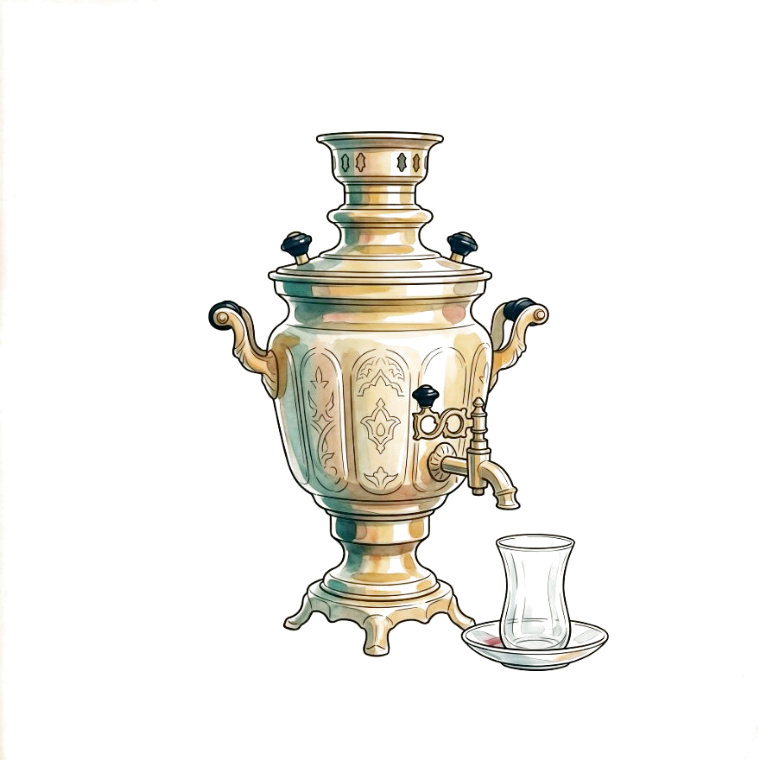
The name says it all: âb (آب) means "water" and goosht (گوشت) means "meat." Water-meat. Meat water. It's a stew distilled to its most basic elements. In Tehran, abgoosht is also called dizi (دیزی), named after the small stone pot it's traditionally served in. Dizi restaurants are everywhere. cheap, no-frills places where the pot arrives at your table and you do the work yourself.
Full pronunciation guide: How to Pronounce Abgoosht.
The Dizi Ritual: How You Actually Eat This
Eating abgoosht is a two-course ritual from a single pot, and if you've never seen it, here's what happens:
Course one: the âb (broth). You pour the broth from the stone pot into a separate bowl. You tear pieces of sangak or barbari bread, soak them in the broth until they're saturated, and eat. This bread-and-broth course is called tilit (تلیت). literally the act of soaking bread in liquid. The broth is rich, fatty, and deeply flavored from hours of slow cooking. Some people crumble dried bread into the broth and eat it with a spoon. Either way, course one is all about the liquid.
Course two: the goosht-kubide (mashed solids). Whatever's left in the pot. meat, chickpeas, potatoes, beans, tomato. you mash it all together using a goosht-koob (گوشتکوب), a heavy metal pestle. You pound it until it forms a rough, chunky paste. Then you eat it with more bread, scooping the paste with torn pieces. Hands are involved. Napkins are essential.
This two-course system from a single pot is what makes abgoosht unique. No other Iranian dish works this way. For more phrases you'd need when ordering food in Iran, check out Farsi food ordering phrases.
The Full Recipe in Farsi
مواد لازم. Mavâd-e Lâzem. Ingredients
| فارسی | Transliteration | English |
|---|---|---|
| ۵۰۰ گرم گوشت گوسفند (با استخوان) | pânsad gerem gusht-e gusfand (bâ ostokhân) | 500g lamb (bone-in) |
| ۱ پیمانه نخود | yek peymâne nokhod | 1 cup chickpeas (soaked overnight) |
| ۱ پیمانه لوبیا سفید | yek peymâne lubiyâ-ye sefid | 1 cup white beans (soaked overnight) |
| ۲ عدد سیبزمینی | do adad sibzamini | 2 potatoes |
| ۲ عدد گوجه فرنگی | do adad goje farangi | 2 tomatoes |
| ۱ عدد پیاز | yek adad piyâz | 1 onion |
| ۲ قاشق رب گوجه | do ghâshogh rob-e goje | 2 tbsp tomato paste |
| زردچوبه | zardchube | turmeric |
| لیمو عمانی | limu omâni | dried lime |
| نمک و فلفل | namak o felfel | salt and pepper |
| آب | âb | water |
طرز تهیه. Tarz-e Tahiye. Method
۱. نخود و لوبیا رو از شب قبل خیس کنید.
Nokhod o lubiyâ ro az shab-e ghabl khis konid.
Soak the chickpeas and beans overnight.
۲. گوشت، نخود، لوبیا و پیاز رو تو قابلمه بریزید.
Gusht, nokhod, lubiyâ va piyâz ro tu ghâblame berizid.
Put the meat, chickpeas, beans, and onion in the pot.
۳. آب اضافه کنید و بذارید بجوشه.
Âb ezâfe konid va bezârid bejushe.
Add water and let it come to a boil.
۴. کف رو بگیرید.
Kaf ro begirid.
Skim the foam off the top.
۵. زردچوبه و لیمو عمانی رو اضافه کنید.
Zardchube va limu omâni ro ezâfe konid.
Add the turmeric and dried lime.
۶. حرارت رو کم کنید و بذارید ۱ تا ۲ ساعت بپزه.
Harârat ro kam konid va bezârid yek tâ do sâ'at bepaze.
Lower the heat and let it cook for 1 to 2 hours.
۷. سیبزمینی و گوجه رو اضافه کنید و ۳۰ دقیقه دیگه بپزید.
Sibzamini va goje ro ezâfe konid va si daghighe dige bepazid.
Add the potatoes and tomatoes and cook for 30 more minutes.
۸. رب گوجه رو اضافه کنید.
Rob-e goje ro ezâfe konid.
Add the tomato paste.
۹. آب (تلیت) رو جدا بریزید تو کاسه.
Âb (tilit) ro jodâ berizid tu kâse.
Pour the broth separately into a bowl.
۱۰. مواد جامد رو با گوشتکوب لِه کنید.
Mavâd-e jâmed ro bâ goosht-koob leh konid.
Mash the solids with a pestle.
۱۱. با نون داغ سرو کنید.
Bâ nun-e dâgh serv konid.
Serve with warm bread.
Cooking Verbs You Need to Know
لِه کردن. Leh Kardan. To Mash
We met leh kardan in the kashk-e bademjan episode, but in abgoosht it's the main event. You take the goosht-koob (meat pestle) and pound everything. lamb, chickpeas, beans, potatoes, tomatoes. into a rough paste. Not smooth. Not pureed. Just thoroughly mashed so everything blends together.
The goosht-koob is a heavy metal tool that looks like a blunt cylinder. You hold it vertically and pound straight down. The motion is rhythmic and satisfying. there's a reason dizi restaurants have a distinctive sound. You hear the metal-on-stone thumping from across the room.
Command: goosht ro leh kon (گوشت رو له کن). "mash the meat."
جوشوندن. Jushundan. To Boil
Abgoosht is fundamentally a boiling dish. Everything goes in the pot, water goes on top, and you boil it until the meat falls off the bone and the legumes are completely soft. The slow boil is what creates that rich, concentrated broth. the âb that's the first course of your meal.
The key phrase: bezâr bejushe, dast nazan (بذار بجوشه، دست نزن). "let it boil, don't touch it." Patience is the primary ingredient in abgoosht.
خیس کردن. Khis Kardan. To Soak
Khis kardan means "to make wet". soaking. In abgoosht, soaking happens twice. First, you soak the dried chickpeas and beans overnight before cooking. Second, you soak bread in the broth when eating. The word khis (خیس) means "wet" and pops up constantly in daily Farsi: khis shodam (خیس شدم). "I got wet" (from rain, for example).
Kitchen command: nun ro khis kon tu âb (نون رو خیس کن تو آب). "soak the bread in the broth."
Kitchen Vocabulary Table
| فارسی | Transliteration | English | Notes |
|---|---|---|---|
| آبگوشت | âbgusht | meat broth stew | literally "water-meat" |
| دیزی | dizi | stone pot / the dish itself | in Tehran, dizi = abgoosht |
| گوشتکوب | goosht-koob | meat pestle/masher | the essential tool |
| تلیت | tilit | bread soaked in broth | the first course |
| نخود | nokhod | chickpea | |
| لوبیا | lubiyâ | bean | |
| کاسه | kâse | bowl | |
| کف | kaf | foam/scum | the foam you skim off while boiling |
| استخوان | ostokhân | bone | bone-in meat is essential for the broth |
| سنگک | sangak | stone-baked bread | best bread for tilit |
Table Talk: The Dizi Experience
| فارسی | Transliteration | English | Context |
|---|---|---|---|
| بریز تو کاسه | beriz tu kâse | Pour it in the bowl | Separating the broth from solids |
| بکوبش | bekubesh | Mash it | What you tell someone holding the goosht-koob |
| نون بده | nun bede | Pass the bread | Constant refrain during dizi |
| تلیتش خیلی خوشمزهست | tilitesh kheyli khoshmazast | The broth-bread is delicious | Compliment after first sip |
| خوب لِهش کن | khub lehesh kon | Mash it well | Advice to someone half-mashing |
| دستمال بده! | dastmâl bede! | Give me a napkin! | Essential. this gets messy |
| آبگوشت با دست میخورن | âbgusht bâ dast mikhorand | You eat abgoosht with your hands | Explaining the tradition to newcomers |
The Class Dynamics of Dizi
Abgoosht has always been working-class food. The ingredients are the cheapest available. bones with a bit of meat, dried legumes, potatoes, onions. It's the kind of dish that stretches a small amount of protein to feed a large family. For centuries, it was what laborers ate. sold in bazaars and workshops for a few coins.
Dizi restaurants reflect this history. They're no-frills places, often in older neighborhoods, with simple tables and the stone pots lined up in rows. The prices are low. The portions are big. Nobody's posting the plating on Instagram. You go, you eat, you leave full, and your wallet barely notices.
In recent years, there's been a gentrification of dizi. upscale restaurants in north Tehran serving it in nice pottery with artisan bread and side dishes. Some people love this; others find it absurd. The dish itself doesn't change, but the context shifts. A working-class stew in a fancy restaurant is still a working-class stew. The stone pot doesn't care about the zip code.
What hasn't changed is the communal nature of eating it. Abgoosht is hands-on, messy, physical. You can't eat it elegantly. The bread soaks, the paste gets on your fingers, the broth drips. It levels everyone at the table. no amount of money makes you better at eating with your hands.
Regional Variations
دیزی سنگی. Dizi Sangi: The classic stone-pot version, most associated with Tehran and central Iran. The stone pot itself adds a subtle mineral flavor to the broth.
آبگوشت بزباش. Âbgusht-e Bozâsh: A variation from the Tabriz region that includes more vegetables. chard, split peas, and sometimes fruit like plums or quince. Slightly more complex than the Tehran version.
آبگوشت لپه. Âbgusht-e Lappe: Uses yellow split peas instead of (or in addition to) chickpeas. Common in southern Iran.
آبگوشت مرغ. Âbgusht-e Morgh: Chicken version. lighter, faster to cook, but considered less traditional by most Iranians. Purists shake their heads.
FAQs
What is the difference between abgoosht and dizi?
They're the same dish. Abgoosht (literally "water-meat") is the original name for the stew. Dizi refers to the small stone pot it's traditionally served in. In Tehran and central Iran, people use the names interchangeably. Outside of Tehran, "abgoosht" is more common. The recipe, preparation, and eating ritual are identical regardless of which name is used.
What is a goosht-koob and where can I buy one?
A goosht-koob is a heavy metal pestle used to mash the solid ingredients in abgoosht. It looks like a thick metal cylinder with a handle. You can find them at Persian grocery stores or online retailers that sell Iranian kitchen tools. In a pinch, a regular potato masher works, though the pounding action of a real goosht-koob is part of the experience.
Do you really eat abgoosht with your hands?
Traditionally, yes. You tear pieces of flatbread, soak them in the broth for the first course, then use bread to scoop the mashed solids for the second course. Spoons are available and nobody will judge you for using one, but the traditional method is hands and bread. The broth course can also be eaten with a spoon with bread crumbled into it. this is the tilit method.
How long does abgoosht need to cook?
Plan for at least 2 to 2.5 hours of total cooking time. The meat and legumes need 1.5-2 hours to become fully tender, and the potatoes and tomatoes need about 30 minutes after that. The longer it simmers (on low heat), the richer the broth becomes. Some traditional recipes call for up to 4 hours. A pressure cooker can reduce total time to about 45 minutes.
Can I make abgoosht without a stone pot?
Absolutely. While the stone pot (dizi) adds a subtle mineral flavor and keeps the stew warm at the table, a regular heavy-bottomed pot or Dutch oven works perfectly. The taste difference is minimal. what matters is the slow cooking and the proper mashing technique. You can also use a slow cooker set on low for 6-8 hours.
Keep Cooking, Keep Learning
Abgoosht strips away everything fancy about cooking and leaves you with the essentials: cheap ingredients, long cooking, and eating with your hands. The Farsi you've learned here. leh kardan, jushundan, khis kardan. these are foundation verbs that work in contexts far beyond the kitchen.
The leh kardan (mashing) pattern alone transfers to a dozen daily expressions. Leh shodam (له شدم). "I'm crushed/exhausted." Lehesh kard (لهش کرد). "he destroyed it." Language lives in these patterns.
Practice the dizi vocabulary from this episode with ZabanYar. spaced repetition locks these working-class stew words into long-term memory.
Want to practice your Farsi kitchen commands and get real-time pronunciation feedback? Sign up for a Preply lesson with me. we'll work through the recipe together and I'll fix every sound that's off.
← Episode 10: Gheimeh | Series Index | Episode 12: Mirza Ghasemi →
Get it wrong and the worst that happens is a warm laugh and a story they’ll tell for years. Get it right — refuse the tea twice, accept on the third — and you’ll watch a face open up. You didn’t just speak Persian. You played the game.
A teacher from Tabriz, based in Milano. 5.0 on Preply across 42 reviews, 1,100+ lessons taught. He curates the growing dictionary behind this site.