

Ta'arof for Tourists: The Politeness Rule Every Visitor Breaks
The shopkeeper says your purchase is free. You believe him. Congratulations. you've just failed the ta'arof test that every single tourist fails on their first day in Iran. تعارف . ta'ârof .
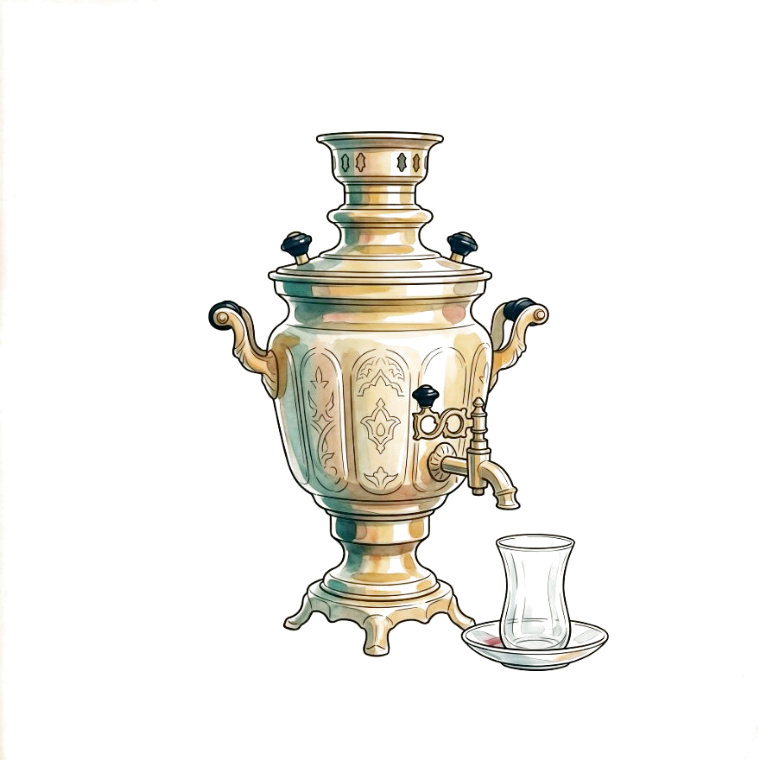
The shopkeeper says your purchase is free. You believe him. Congratulations. you've just failed the ta'arof test that every single tourist fails on their first day in Iran.
تعارف. ta'ârof. is the system of ritual politeness that governs almost every social interaction in Iran. It's not lying. It's not fake. It's a choreographed dance of offers and refusals that Iranians perform unconsciously from childhood. You, the visitor, need to learn the steps. or you'll accidentally insult people, underpay for things, and eat until you physically cannot move.
Here are the five ta'arof situations every tourist faces, with the exact phrases you need and the social rules behind them.
Situation 1: The Shopkeeper Says "It's Free"
You pick up a souvenir at a bazaar. You ask چند؟. chand?. how much? The shopkeeper smiles warmly and says:
قابلی نداره. qâbeli nadâre. "It's not worthy of you" (meaning: it's free, take it)
Or sometimes: پیشکش. pishkesh. "It's a gift"
What's actually happening: The shopkeeper is performing ta'arof. They do NOT mean it's free. They're showing generosity as a social ritual. If you say "oh great, thanks!" and walk out, you've just stolen from them, and they'll think you're incredibly rude.
What to do:
- Smile and say خیلی ممنون، ولی نه. kheili mamnun, vali na. "Thank you so much, but no"
- Ask the price again: واقعاً چنده؟. vâqe'an chande?. "Really, how much is it?"
- They'll insist once more. You decline once more.
- On the third exchange, they'll give you the real price. Pay it.
The rule: Three rounds. Offer → refuse → offer → refuse → real answer. This is the foundational rhythm of ta'arof.
Situation 2: The Host Who Won't Let You Stop Eating
You're at an Iranian home for dinner. The food is incredible. You've had two servings of قرمهسبزی. qormeh sabzi. herb stew, a mountain of rice, and you're genuinely full.
Your host says: بیشتر بکش. bishtar bekesh. "Take more"
Or: تعارف نکن!. ta'ârof nakon!. "Don't do ta'arof!" (The irony: this is itself ta'arof.)
What's actually happening: Iranian hospitality requires the host to insist aggressively that you eat more. An empty plate is seen as a failure of hosting. Your host will refill your plate before you can stop them.
What to do:
- Accept a small second serving. refusing all food is rude
- After the second serving, you can start declining more firmly
- Use: سیر شدم، دستت درد نکنه. sir shodam, dastet dard nakone. "I'm full, bless your hands" (this compliments the cooking)
- Leave a tiny bit of food on your plate. a completely clean plate signals you want more
- If they keep pushing, laugh and pat your stomach. Physical comedy transcends ta'arof.
The phrase that saves you: به خدا سیرم. be khodâ siram. "I swear to God I'm full." Invoking God signals genuine honesty, which cuts through ta'arof.
Situation 3: The Taxi Driver Who Refuses Your Money
Your ride ends. You pull out money. The driver waves his hand:
قابلی نداره. qâbeli nadâre. "It's not worthy" (again)
Or: مهمون ما باشید. mehmun-e mâ bâshid. "Be our guest"
What's actually happening: Pure ta'arof. The driver wants to be paid. He's being polite. If you get out without paying, he will be upset, and possibly chase you down the street.
What to do:
- Say نه خواهش میکنم. na khâhesh mikonam. "No, please"
- Hold the money out firmly
- Place it on the dashboard or seat if needed
- Say دستتون درد نکنه. dastetun dard nakone. "Bless your hands" (shows respect)
Pro tip: In ride-sharing apps like Snapp (Iran's Uber), payment is digital, so ta'arof doesn't apply. One more reason Iranians love Snapp. it skips the awkward dance.
Situation 4: Someone Offers Their Seat
On the metro, a bus, or in a waiting room, someone stands up and gestures to their seat:
بفرمایید. befarmâyid. "Please, go ahead" / "Please, sit"
This word is the Swiss Army knife of ta'arof. It means "please" in virtually every context: sit here, come in, eat this, go first.
What's actually happening: If they're younger and you're older. they genuinely mean it (respect for elders is real, not ta'arof). If you're roughly the same age, it's ta'arof and they expect you to decline.
What to do:
- Smile and say نه ممنون، راحت باشید. na mamnun, râhat bâshid. "No thanks, be comfortable"
- If they insist and they're clearly younger, accept on the second offer. refusing too many times from an elder position is also rude
- If they're elderly and offering YOU the seat, absolutely decline and insist they sit
The cultural logic: Ta'arof has a hierarchy. Age, gender, and social status determine who offers and who accepts. As a foreigner, you get tourist privilege. people will insist harder because you're a guest in their country. Accept graciously after one refusal.
Situation 5: The Home Invitation
You're chatting with someone at a park, a shop, or a taxi ride. Within ten minutes:
بیایید خونه ما. biâyid khune-ye mâ. "Come to our house"
Or: شام مهمون ما باشید. shâm mehmun-e mâ bâshid. "Be our guest for dinner"
What's actually happening: This is the hardest one to read. It COULD be ta'arof (especially on the first ask). But Iranians are also famously, genuinely hospitable. The three-ask rule helps here.
How to read it:
- First invitation: Probably ta'arof. Decline politely: خیلی لطف دارید. kheili lotf dârid. "You're very kind"
- Second invitation: Might be real. They're testing your interest: جدی میگم. jeddi migam. "I'm serious"
- Third invitation: Almost certainly genuine. If they ask three times, they mean it. Accept.
Signs it's real from the start:
- They pull out their phone to exchange numbers
- They specify a day and time: جمعه بیایید. jom'e biâyid. "Come Friday"
- They start calling their spouse to confirm
- They physically start walking you toward their car
If you accept: Bring a gift. Flowers, sweets (شیرینی. shirini. pastries), or fruit are all safe choices. Never show up empty-handed.
The Universal Ta'arof Survival Phrases
Memorize these. They'll get you through 90% of ta'arof situations:
خیلی ممنون. kheili mamnun. thank you very much قابلی نداره. qâbeli nadâre. it's nothing / not worthy (when someone thanks YOU) بفرمایید. befarmâyid. please (go ahead / sit / eat / come in) تعارف نکنید. ta'ârof nakonid. don't do ta'arof (formal) دستتون درد نکنه. dastetun dard nakone. bless your hands (after food or service) خسته نباشید. khaste nabâshid. may you not be tired (greeting for workers) قربون شما. qorbun-e shomâ. I'd sacrifice myself for you (sounds extreme, very normal)
That last one. قربون شما. is the most Iranian thing in existence. You're literally saying "I would die for you" as a casual response to "thanks." This is ta'arof at its most poetic.
The Deeper Logic: Why Ta'arof Exists
Ta'arof isn't just politeness. It's a social negotiation system that serves real purposes:
It protects both parties. By offering something you might not want to give and declining something you might want, both people get to show their best selves without losing face.
It tests relationships. The number of ta'arof rounds tells you how close you are. Strangers do 3+ rounds. Close friends do 0-1. When an Iranian tells you تعارف نکن. ta'ârof nakon. "don't do ta'arof". and actually means it, you've been accepted into the inner circle.
It's a language skill. Mastering ta'arof phrases is as important as learning verb conjugations. Our app, ZabanYar, is coming soon.
The One Rule Tourists Always Break
Taking the first offer at face value.
Every culture has polite offers. "We should get coffee sometime!" in English is often meaningless. But in Iran, the polite offers are more elaborate, more insistent, and more confusing, because they sound completely sincere. That's the point. Good ta'arof is supposed to be indistinguishable from genuine offers.
Your defense: the three-round rule. Decline twice. If it comes a third time, it's real. This one principle will save you from embarrassment more than any phrasebook.
FAQ
What is ta'arof in Iran?
How do I know if an Iranian offer is real or ta'arof?
Should I do ta'arof back to Iranians?
Is ta'arof the same in all of Iran?
What's the most important ta'arof phrase to know?
For more travel preparation, check out the complete travel Farsi guide, learn how to politely say no in Farsi, or read about Iranian hospitality rules.
Want personalized help with cultural Persian? Find a native Persian tutor on Preply who can walk you through the nuances no app can fully teach.
Get it wrong and the worst that happens is a warm laugh and a story they’ll tell for years. Get it right — refuse the tea twice, accept on the third — and you’ll watch a face open up. You didn’t just speak Persian. You played the game.
A teacher from Tabriz, based in Milano. 5.0 on Preply across 52 reviews, 1,652 lessons taught. He curates the growing dictionary behind this site.
 Learn PersianFarsi Classes in Calgary: When Local Options Are LimitedJul 2026
 Learn PersianLanguages Similar to Persian: A Complete MapAug 2026
 Learn PersianPersian Fables Retold in Simple FarsiApr 2026
 Learn PersianHow Persian Grammar Shapes PerceptionJun 2026Learn PersianFarsi Classes in Vienna: Options for Every LearnerJun 2026Learn Persian15 Persian Children's Books Your Kids Will Actually ReadApr 2026