Zoroastrian Persian: Ancient Words Still Alive in Modern Farsi
Iran was Zoroastrian for over a thousand years before Islam. That history didn't vanish. It embedded itself into the language, the calendar, the holidays, and the national psyche. When an Iranian jumps over fire at Chahârshanbe Suri, celebrates Nowruz at the spring equinox, or eats pomegranates at Yalda night, they're practicing Zoroastrian rituals that predate Islam by centuries.
For Farsi learners, Zoroastrian Persian is the oldest layer of the language. these are the words that survived 1,400 years of Arabic influence because they're too deeply Iranian to replace.
The Zoroastrian Holidays That Survived
| Holiday | Farsi | Origin | Modern practice |
|---|---|---|---|
| Nowruz (New Year) | نوروز. Nowruz | Zoroastrian spring equinox celebration | Iran's biggest holiday, March 20-21. Two weeks of family visits, feasting, Haft-Sin table |
| Chahârshanbe Suri | چهارشنبهسوری | Fire festival before Nowruz | Jumping over bonfires, fireworks, last Tuesday night before Nowruz |
| Sizdah Bedar | سیزدهبدر | 13th day of new year, nature celebration | Picnic day, everyone goes outdoors, throws sabze (sprouts) into running water |
| Yalda Night | شب یلدا. shab-e Yaldâ | Winter solstice (longest night) | Family gathering, eating pomegranates and watermelon, reading Hafez |
| Mehregan | مهرگان | Autumn festival honoring Mithra | Less widely celebrated today, but known culturally |
| Tirgan | تیرگان | Midsummer water festival | Water-splashing celebrations in some regions |
Related: Persian Holidays & Traditions hub
Zoroastrian Concepts in Modern Farsi
The Zoroastrian worldview organized reality into dualities: light vs darkness, truth vs lie, good vs evil. These concepts shaped Persian vocabulary in ways that persist today:
- اهورامزدا. Ahurâ Mazdâ. the supreme god of wisdom. The word مزدا (wisdom/knowledge) is pure Avestan Persian.
- اهریمن. Ahriman. the destructive spirit. Used colloquially to describe someone evil or a terrible situation.
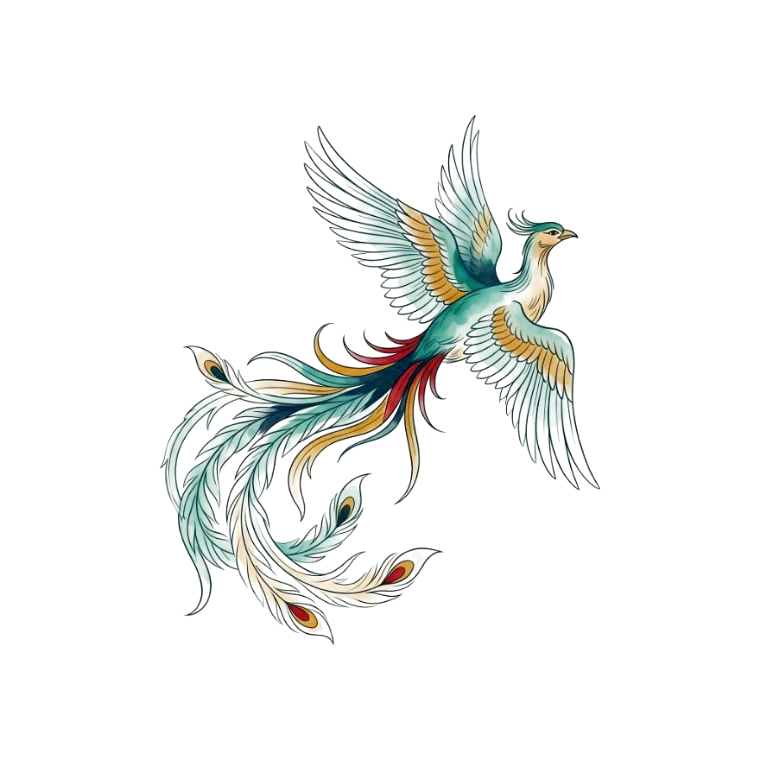
- فروهر. Faravahar. the winged symbol representing the human soul's journey. Worn as jewelry by many Iranians as a national (not religious) symbol.
- بهشت. behesht. "paradise." This is a Zoroastrian word that entered Arabic and then English ("paradise" comes from the Old Persian pairidaeza, meaning "enclosed garden").
- دوزخ. duzakh. "hell." Another Zoroastrian concept that predates Islamic eschatology in Persian.
Fire and Light Vocabulary
Zoroastrianism reveres fire as the symbol of truth and divine presence. This reverence left deep marks on Persian:
- آتش. âtash. fire (pure Persian, not Arabic)
- آتشکده. âtashkade. fire temple (literally "fire house")
- نور. nur. light (Arabic, but the concept of light as divine is Zoroastrian)
- روشنایی. rowshanâyi. illumination/enlightenment (pure Persian)
- چراغ. cherâgh. lamp (Persian, culturally tied to keeping light alive)
The phrase روشنایی بر تاریکی پیروز میشود. rowshanâyi bar târiki piruz mishavad. "light will triumph over darkness". is a Zoroastrian concept that Iranians quote as cultural truth, not religious doctrine.
Pure Persian vs Arabic-Origin Words
Understanding which words are "pure Persian" (pre-Islamic) vs Arabic loanwords helps you recognize patterns:
| Concept | Pure Persian | Arabic-origin (also used) |
|---|---|---|
| God | خدا. khodâ | الله. allâh |
| Paradise | بهشت. behesht | جنت. jannat |
| Soul | روان. ravân | روح. ruh |
| Prayer | نیایش. niyâyesh | نماز. namâz (from Middle Persian via Arabic) |
| Truth | راست. râst | حقیقت. haqiqat |
Part of the Religion & Spirituality cluster.
FAQ
Are Iranians still Zoroastrian?
Does the word "paradise" really come from Persian?
Why do Iranians jump over fire at Chahârshanbe Suri?
How many pure Persian words are still in use?
Is learning about Zoroastrianism important for Farsi learners?
Zoroastrian Persian is the soul of the language. the words that survived because they were too Iranian to erase. Explore the full Religion & Spirituality cluster and practice cultural vocabulary with ZabanYar. Start free.
Get it wrong and the worst that happens is a warm laugh and a story they’ll tell for years. Get it right — refuse the tea twice, accept on the third — and you’ll watch a face open up. You didn’t just speak Persian. You played the game.
A teacher from Tabriz, based in Milano. 5.0 on Preply across 42 reviews, 1,100+ lessons taught. He curates the growing dictionary behind this site.