

Farsi Imperatives: 5 Ways Iranians Give Commands (A2)
I break down Farsi commands and requests, including the magic word befarmaid, so you can ask for things without sounding bossy or robotic.

I break down Farsi commands and requests, including the magic word befarmaid, so you can ask for things without sounding bossy or robotic.
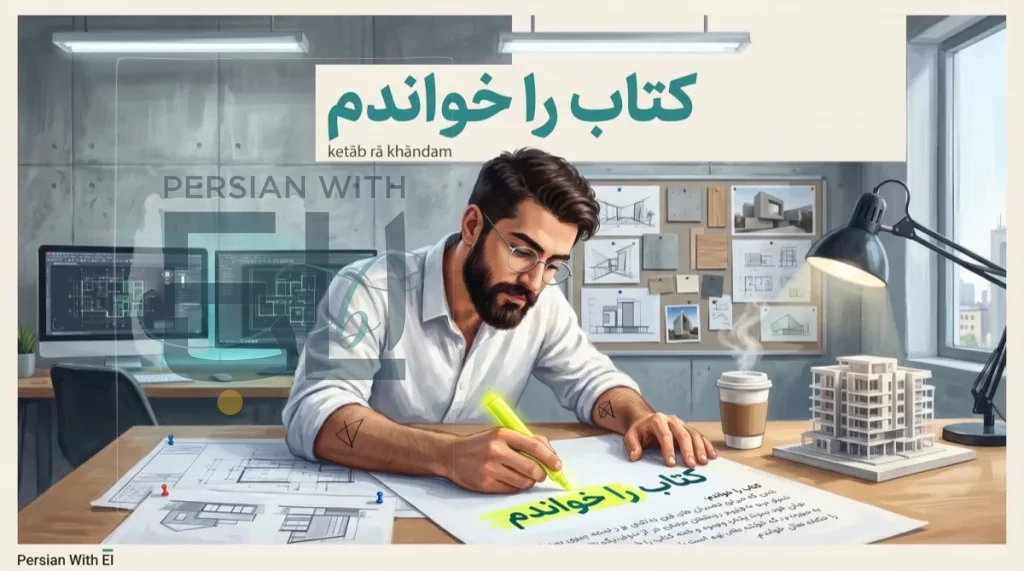
I explain the Farsi ra marker in plain English with real examples so you finally understand when to use it and stop second-guessing yourself.

Farsi plurals are dead simple — add -hâ to almost anything. But textbooks complicate it with Arabic broken plurals and the -ân suffix. Here’s what you actually need to know about making things plural in Persian.

The Persian to be verb has two systems — hast for existence and ast as a copula — and spoken Farsi drops half of it. Here’s how budan actually works in Tehran vs the textbook.

The farsi present tense is built from present stems, the mi- prefix, and personal endings — but Tehrani speakers compress everything. Here’s how present tense actually works in real Persian conversation.
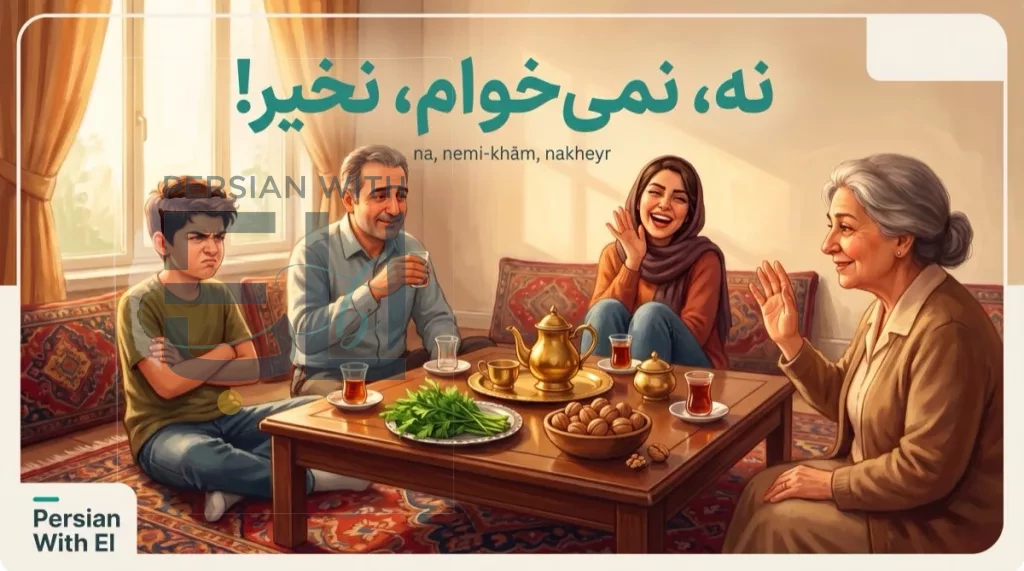
Farsi negation goes beyond just adding “na-” to a verb. Persian has four distinct patterns for saying no — each with its own rules and spoken shortcuts that textbooks usually skip.
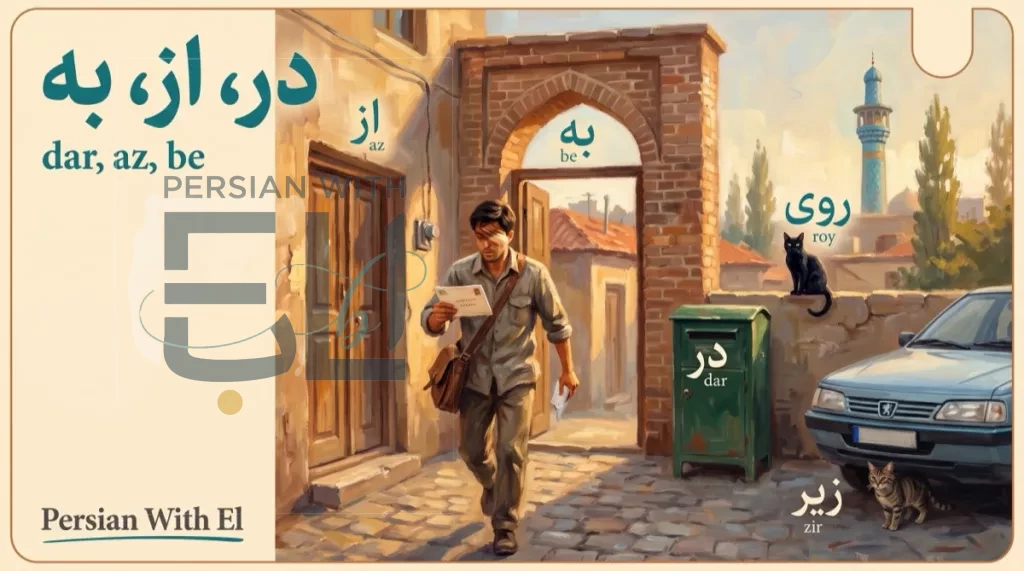
Stop memorizing long lists — these 15 farsi prepositions cover about 90% of what you’ll ever need in real Persian conversation, from dar and az to the colloquial shortcuts Iranians actually use.

Learning how to ask questions in Farsi is easier than you think — sometimes all you need is a change in intonation. Here’s every question pattern you need, from basic yes/no to the question words Iranians use daily.
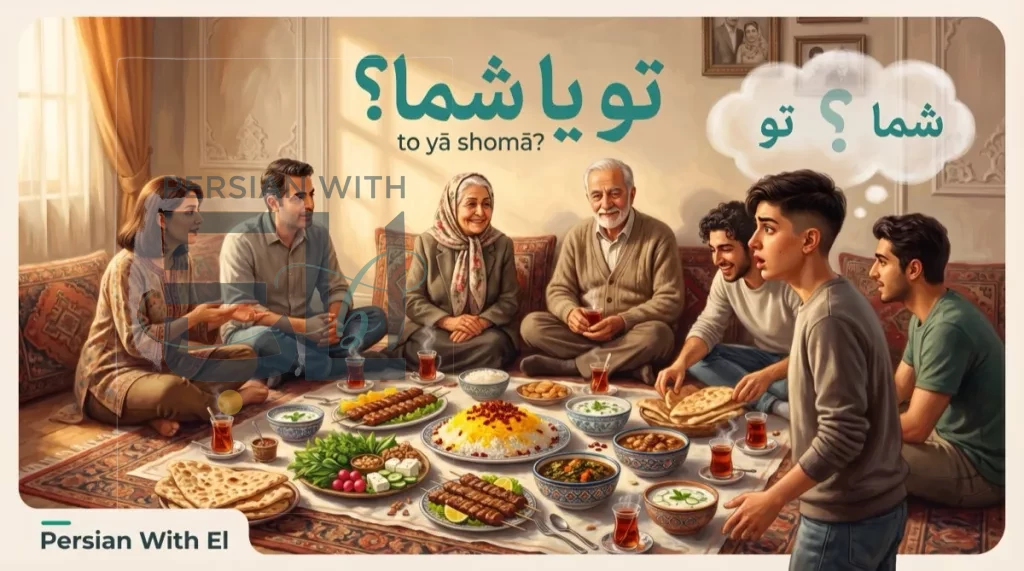
Farsi pronouns look simple — six words for I, you, he/she, we, you (plural), and they. But choosing between “to” and “shoma” can make or break a conversation, Persian has no gendered pronouns at all, and the attached pronoun suffixes change how every sentence sounds.

Farsi sentence structure follows an SOV (Subject-Object-Verb) pattern that feels completely backwards to English speakers. But once you see the internal logic — where the verb always anchors the end, adjectives follow nouns, and “ra” marks your direct objects — Persian word order becomes surprisingly predictable.