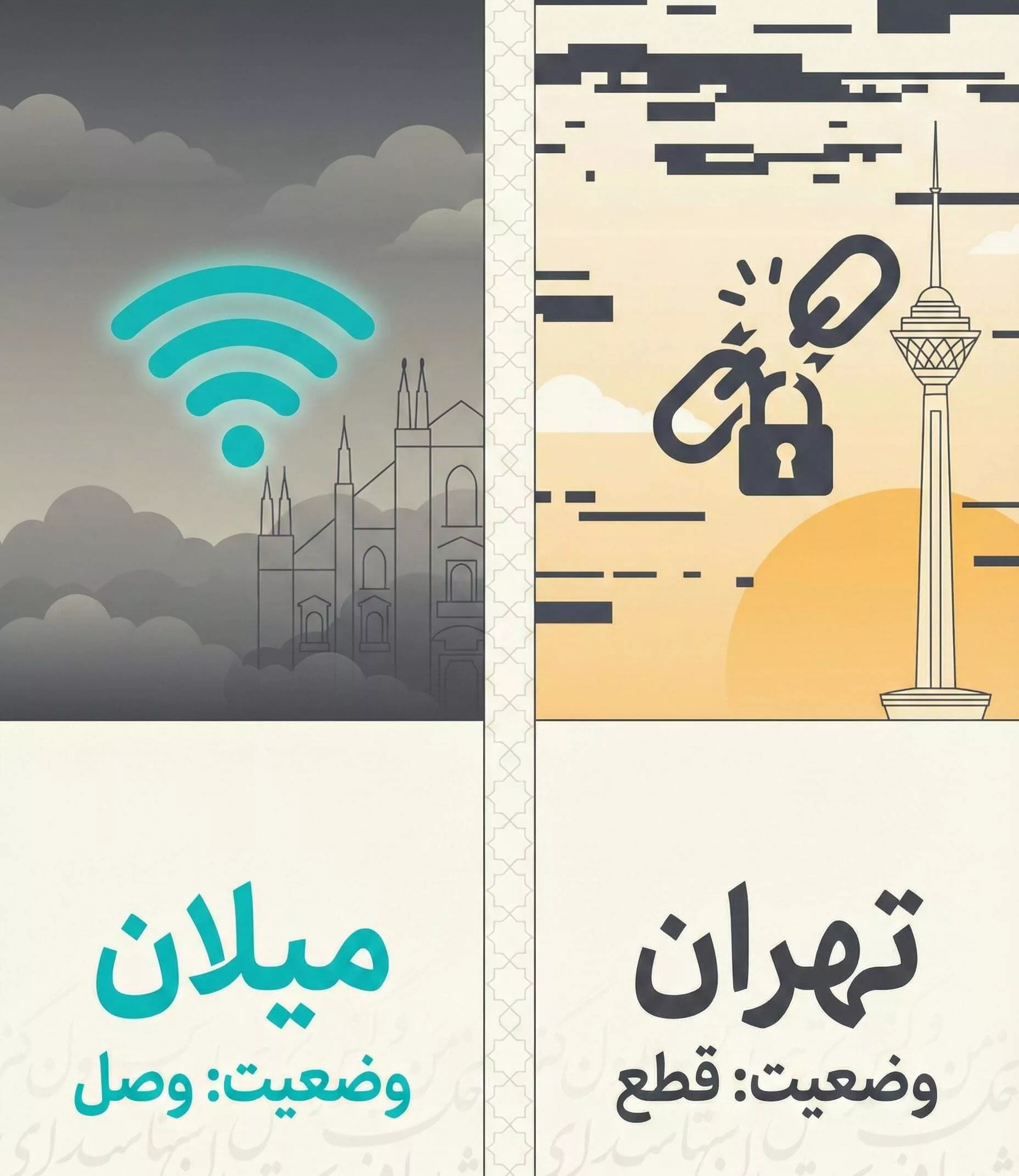
It is a famously foggy Monday in Milan. The kind of nebbia that gets into your bones and makes the Duomo look like a ghost ship drifting through the city center. I’m standing in front of a jewelry window on Via Montenapoleone, Milan’s most expensive street, staring at a gold bracelet that costs more than my entire year’s tuition at the university.
Inside the shop, a Japanese tourist is buying it. She’s smiling. For her, gold is a souvenir. It’s romance. It’s a shiny rock that says, “I have made it.”
But my phone is buzzing in my pocket, vibrating against my leg like a nervous tic. It’s my Telegram channels from Tehran. The notifications are coming in so fast they are draining my battery. And they are telling a very different story about gold.
Back home, nobody is smiling. We are watching the Iran rial collapse in real-time. In Tehran right now, gold isn’t jewelry. It’s oxygen. And people are suffocating.
What is “Soghoot”? The Iran Rial Collapse Explained
If you want to understand the current Iran economic crisis, you have to understand the psychology of numbers.
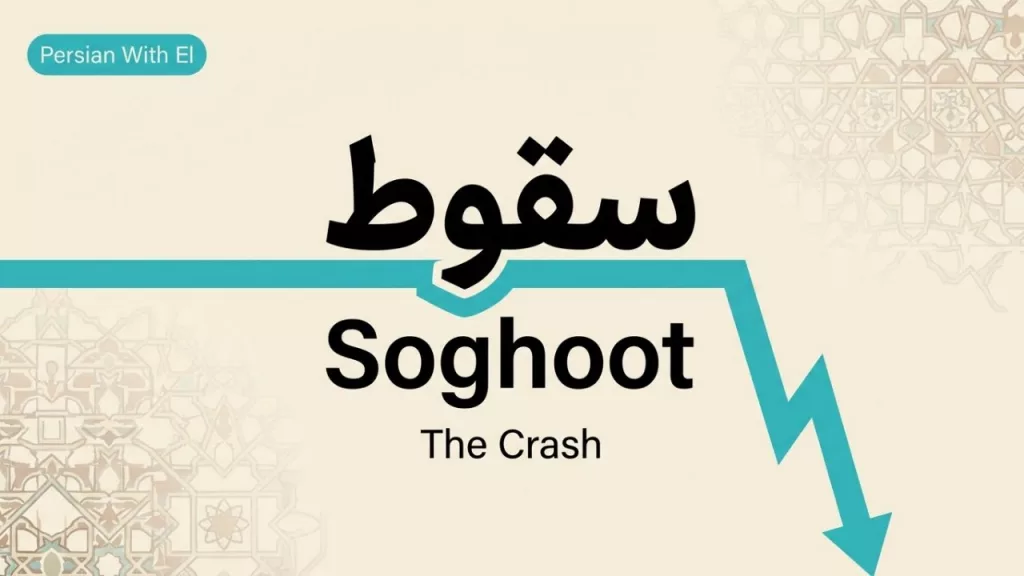
For years, we stared at the exchange rate like it was a scoreboard. When the US Dollar hit 50,000 Tomans (500,000 Rials), we panicked. When it hit 100,000, we screamed. But this week? The dollar smashed through the psychological barrier of 1,400,000 Rials (140,000 Tomans).
We call this Soghoot (سقوط). It means “The Crash” or “The Freefall.”
It isn’t just a line on a graph going down. It is a physical feeling of vertigo. Imagine you work for a whole month, and by the time you get your paycheck, it buys 20% less milk than it did on the first day of the month. That is the reality of the Iran rial collapse.
My cousin in Tehran texted me yesterday saying, “El, I feel like I’m standing on a trapdoor that just opened.”
When a currency crashes this hard, logic evaporates. The taxi drivers stop driving because they don’t know what fare to charge. The grocery stores hide the price tags. And everyone (literally everyone, from the grandmother to the teenager) becomes a currency trader.
The Inflation Monster (Tavarrom) Eating the Middle Class
The Western news calls it “hyperinflation.” We just call it Tuesday.
Inflation in Iran (Tavarrom – تورم) has officially entered the “insanity zone.” Official stats say one thing, but the street says another. Prices for food have jumped over 70% compared to last year.
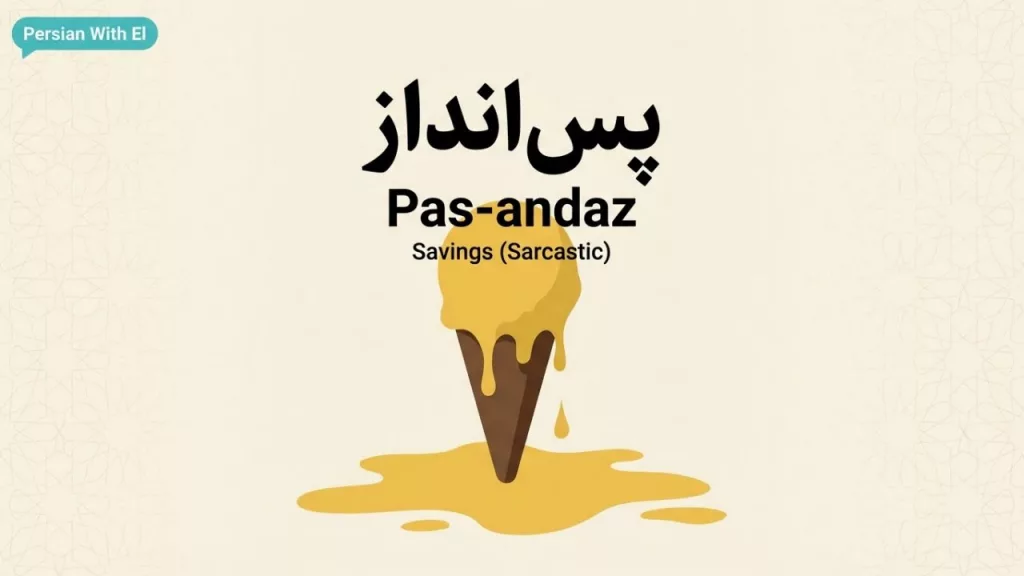
This destroys the concept of Pas-andaz (پسانداز), or “savings.”
In Milan, my Italian friends put money in the bank to save for a Vespa or a summer trip to Puglia. In Iran, putting money in a bank account is like putting ice cream in an oven. It melts.
If you had 100 million Tomans in the bank last week, today you have significantly less purchasing power. You didn’t spend a Rial, but you got poorer. This is why the banks are empty and the gold shops are full.
The New Gold Rush: Survival of the Shiniest
This brings us to the twisted part of this crisis, the Gold Rush.
History books tell us about the California Gold Rush of 1849. Men with pickaxes traveled thousands of miles because they were greedy. They wanted adventure. They wanted to be rich.
The Tehran Gold Rush of 2025 is the opposite. It is fueled by pure terror.
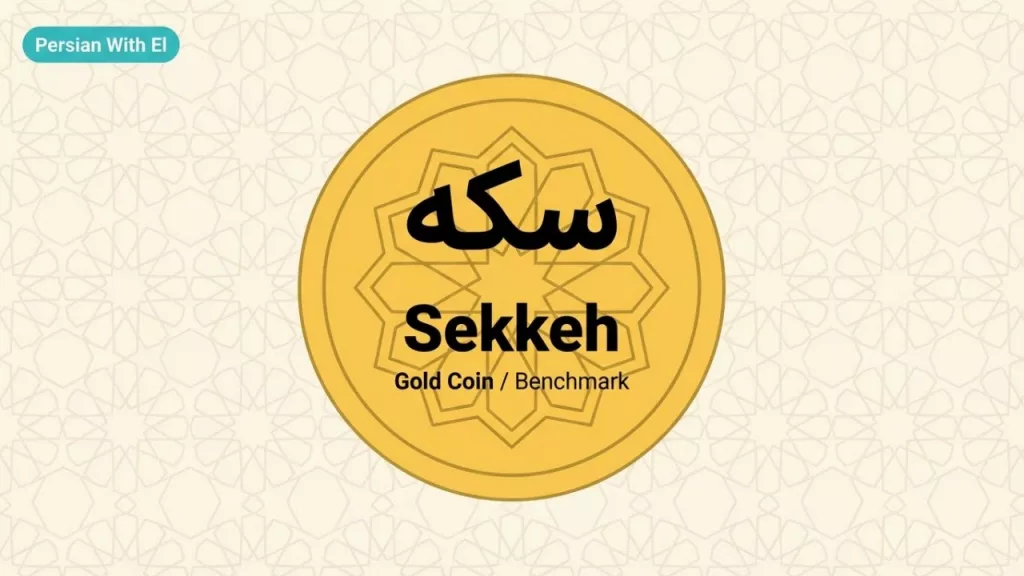
People are rushing to buy Sekkeh (سکه), gold coins. But even coins are getting too expensive with the premium fees (the “bubble” price). So, a new trend has taken over, buying “Ab-shodeh” (آبشده).
Ab-shodeh literally means “melted.” It’s scrap gold, ugly, misshapen lumps of metal that look like golden chewing gum. It’s not pretty. You can’t wear it to a party. But it’s pure gold, and you don’t pay the “design fee” (ojrat) that jewelers charge for bracelets.
People are selling their cars, their carpets, and even their wedding rings to buy these ugly lumps of gold. Why? Because a lump of gold will buy bread in six months. A stack of Rials might not. It shows a total loss of trust in the government. Nobody wants the state’s paper. They want the earth’s metal.
The Bazaar Goes Dark: The Etesab Factor
If the gold rush is the symptom, the Tehran bazaar strike is the diagnosis.
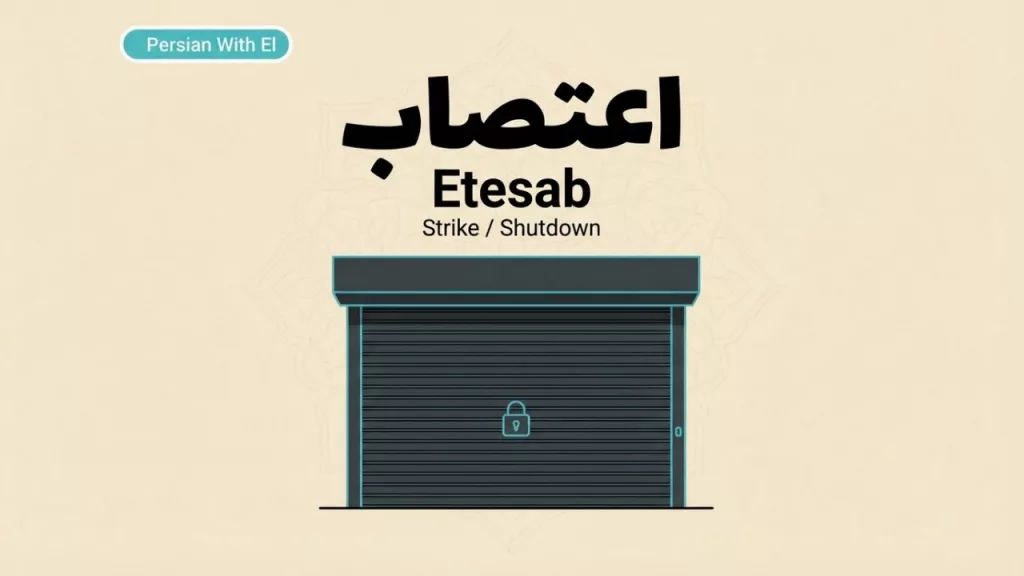
Yesterday, the Grand Bazaar, the commercial lung of Iran’s economy, shut its eyes. Shopkeepers pulled down their heavy metal shutters and walked out.
This is called Etesab (اعتصاب). A strike.
You have to understand, the Bazaris (market merchants) are not usually revolutionaries. They are conservatives. They are traditionally the regime’s safety net. But even they have reached the breaking point.
Why are they striking? Because of the volatility.
Imagine you sell fabric. You sell a roll of silk today for 10 million Rials. Tomorrow, when you go to buy new stock from the importer, that same roll costs you 12 million Rials. You actually lost money by selling it. So, the Bazaar logic is simple, “If we sell, we lose. So we close.”
When the Bazaar strikes, it’s not just a protest. It’s a cardiac arrest for the economy. It means the circulation of goods has stopped.
Conclusion: The View from the Fog
I finish my espresso. It costs €1.50. I tap my card. The transaction is instant, boring, and stable.
I walk back out into the Milanese fog. The contrast makes me dizzy. Here, the biggest complaint I heard today was that the Metro was 4 minutes late. In Tehran, people are melting down their past to survive their future.
The Iran economic crisis isn’t ending soon. The government is printing money, the people are buying gold, and the shops are closing doors.
If you are watching the news, don’t look at the politicians. Look at the price of Sekkeh. That is the only vote that counts right now.
The Deep Dive: “The Triple Threat” Vocab
Here is your survival kit for understanding the Persian street right now.
- Soghoot (سقوط) Literal: Fall / Crash / Drop. Street Context: Used exclusively for the currency or the stock market crashing. It implies a disaster, like a plane going down. Example: Fingilish: “Dollar baz soghoot kard, hame darand migorizand.” Persian: دلار باز سقوط کرد، همه دارند میگریزند. Translation: The dollar crashed again (meaning Rial value crashed), everyone is fleeing.
- Pas-andaz (پسانداز) Literal: Savings / Putting aside. Street Context: A joke. Young people use this word sarcastically because “saving” Rials is mathematically impossible. Example: Fingilish: “Kodoom pas-andaz? Hamero dadam baraye ejareh.” Persian: کدوم پسانداز؟ همه رو دادم برای اجاره. Translation: What savings? I gave it all for rent.
- Sekkeh (سکه) Literal: Coin. Street Context: Specifically refers to the standard Gold Coin minted by the Central Bank. It is the benchmark for how bad things are. “What is the Sekkeh price?” is the new “How are you?” Example: Fingilish: “Sekkeh shodeh devist million, digeh nemisheh zan gereft.” Persian: سکه شده دویست میلیون، دیگه نمیشه زن گرفت. Translation: The coin is 200 million, you can’t get married anymore (referring to the dowry/Mahr).
- Ab-shodeh (آبشده) Literal: Melted / Watered down. Street Context: Scrap gold blocks. The favorite asset of the professional hoarder or frightened middle-class dad. Example: Fingilish: “Mashino forookhtam, raftam Ab-shodeh kharidam.” Persian: ماشین رو فروختم، رفتم آبشده خریدم. Translation: I sold the car and went and bought melted gold.
- Etesab (اعتصاب) Literal: Strike. Street Context: Closing the shop as a political or economic “screw you” to the system. Example: Fingilish: “Bazaar emrooz Etesab kardeh, hichi gir nemiyad.” Persian: بازار امروز اعتصاب کرده، هیچی گیر نمیاد. Translation: The Bazaar is on strike today, you can’t find anything.