I’m sitting in a bar in Porta Ticinese right now. It’s raining outside. It is that miserable, grey Milanese rain that gets into your bones. I just paid €2.50 for an espresso, which is technically a crime against my bank account, but at least nobody is arresting me for it. This freedom feels luxurious compared to the current Iran café crackdown.
I look at the couple next to me. He has pink hair, and she is wearing a crop top. They are arguing about astrology. It is annoying, but it is free.
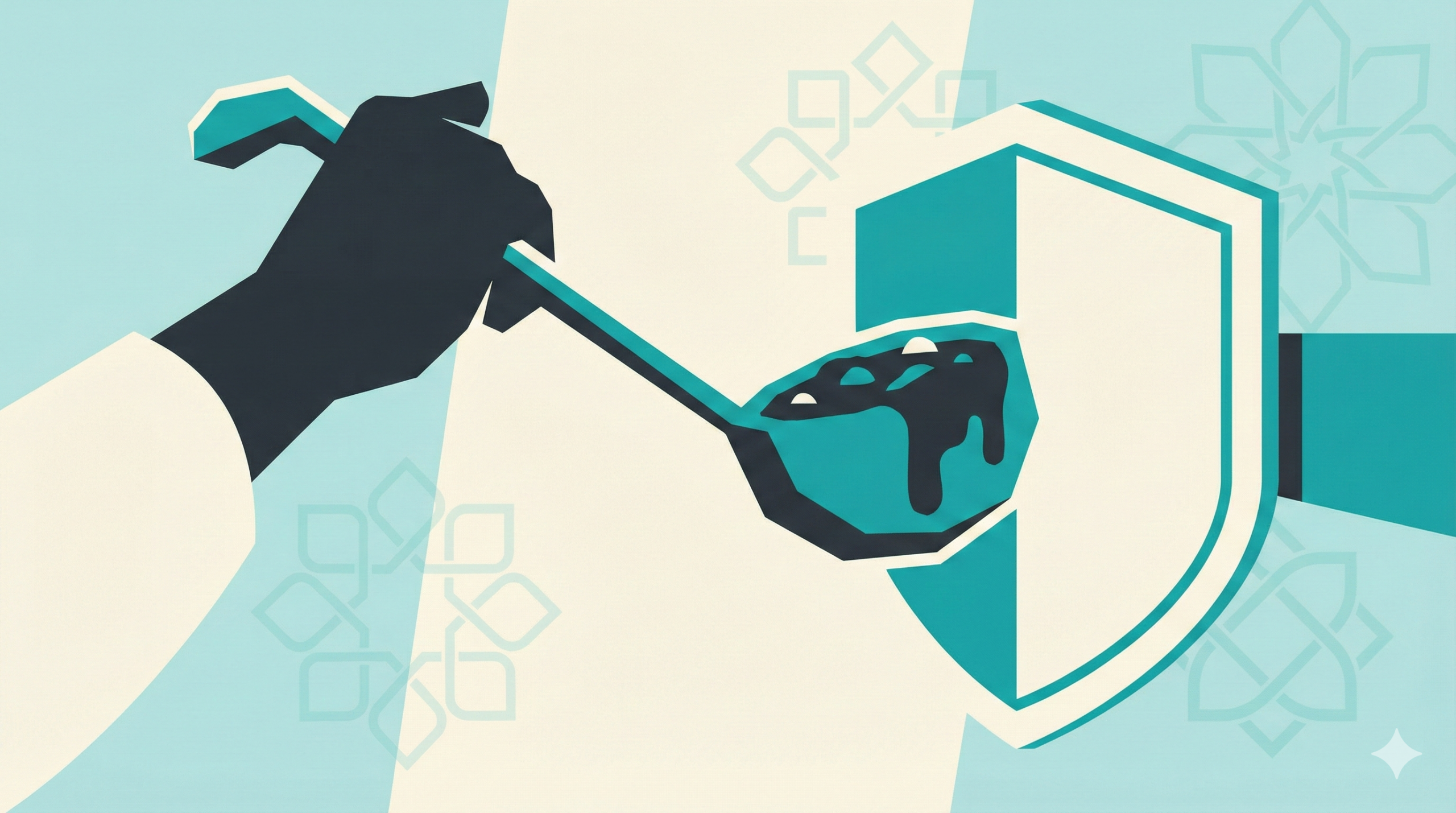
Meanwhile, in Tehran, the crackdown is in full swing. Hardliners are not just banning bad latte art. They are waging a war on the one thing that keeps young people sane. While I am here worrying about my tram being late, my friends back home are worrying that their favorite spot just got raided. Why? Because in the eyes of the Regime, a cappuccino is a gateway drug to revolution.
The Politics of Tehran Social Life: The “Nofouz” Fantasy
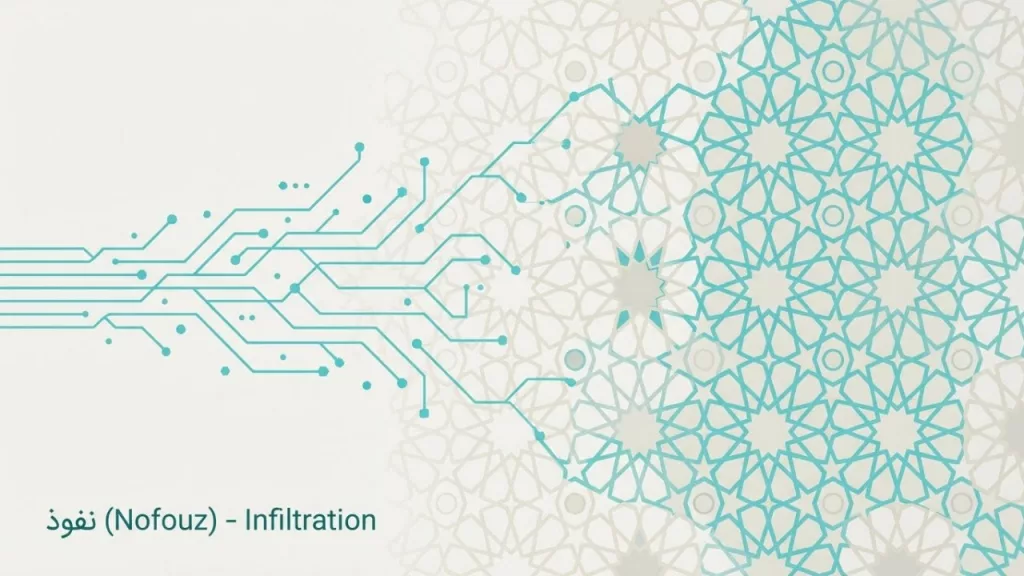
Here is the deal. The hardliners in Iran—the guys who think fun is a sin—have decided that cafés are the headquarters of a “Soft War” (Jange Narm).
They call it Nofouz (نفوذ). Literally, it means “infiltration.” In their heads, Western culture isn’t just influencing people; it is infiltrating the society like a virus. As recent reports confirm, hardliners take aim at booming café culture because they believe that if you let boys and girls sit at a table with dim lighting and jazz music, the entire Islamic structure will collapse.
So, this Iran café crackdown isn’t about health codes or taxes. It’s about fear. They are terrified of any space they don’t control.
Your “Pātogh” is Their Target
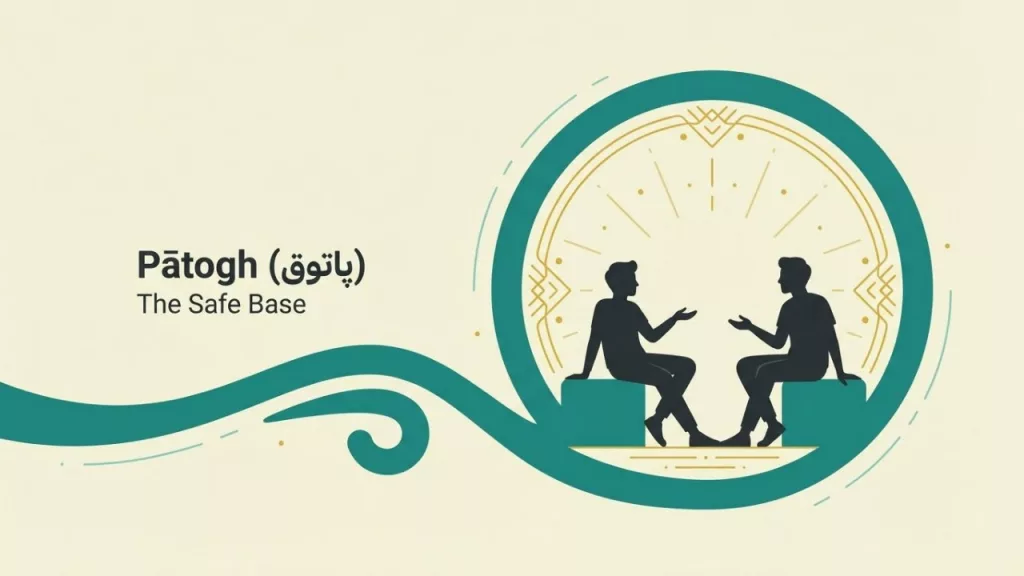
In Milan, I go to the same bar every Tuesday. The barista knows my name and knows that I never have small change. In Persian, we call this your Pātogh (پاتوق).
A Pātogh is more than a hangout. It is your base. It is where you take off the mask you wear for the outside world. For young Iranians, the café is the only place where they can breathe. It is where they study, flirt, complain about the economy, and pretend for an hour that they are in a normal country.
But the government hates a good Pātogh. They see a group of students laughing and they do not see joy. They see a “security threat” brewed by coffee shop culture Iran.
What Happens When “Amāken” Crashes the Party?
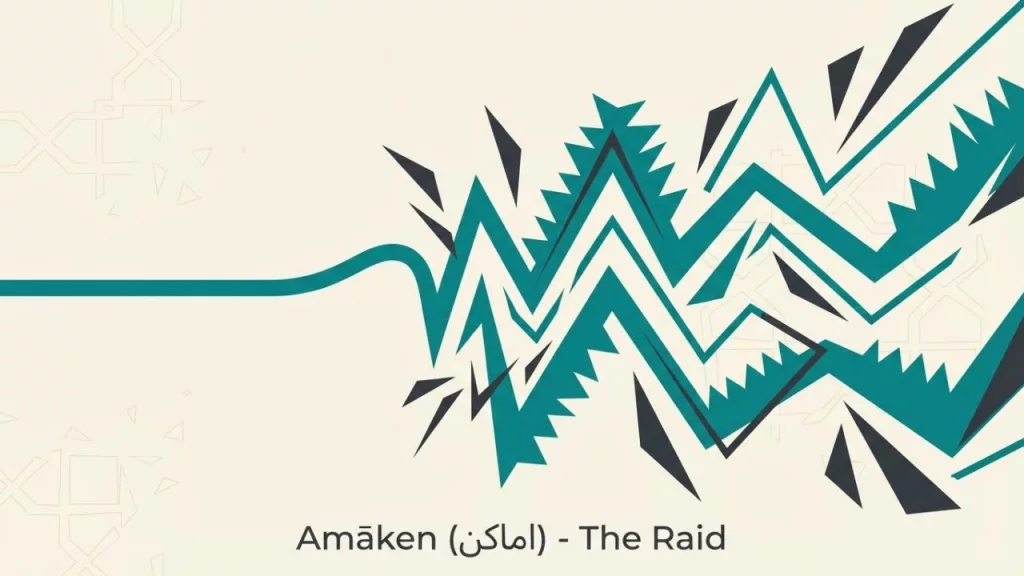
So, what actually happens during a raid?
You are sitting there, maybe sipping a saffron herbal tea, when a white van pulls up. The mood shifts instantly. It is the Amāken (اماکن).
This is the “Public Places Police.” They are the buzzkill squad. They march in, looking for anything “un-Islamic.” Is that girl’s headscarf too loose? Is that music too Western? Are those two holding hands?
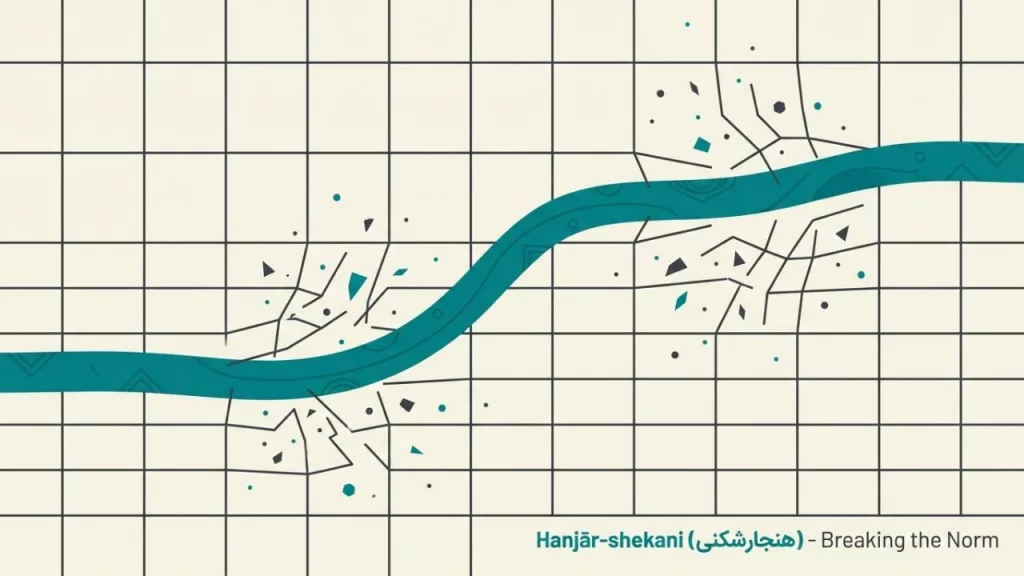
If they find a violation, or if they just do not like the owner’s face, they slap them with a charge of Hanjār-shekani (هنجارشکنی). This is the Regime’s favorite word. It means “Norm-breaking.” Basically, existing while cool is now a crime.
The Dreaded “Polomb”
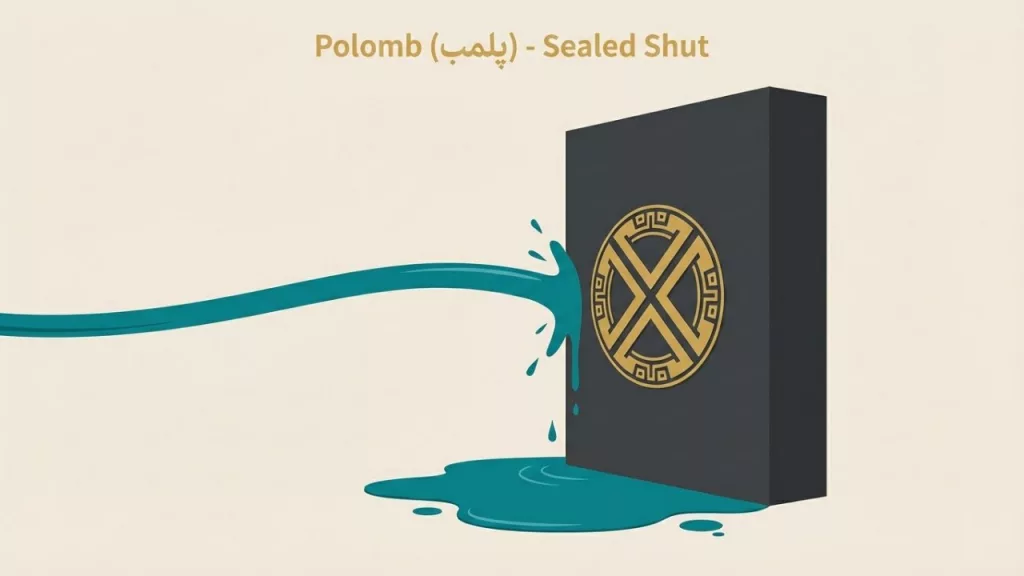
The final act of this tragedy is the sticker.
If the Amāken decides a café is guilty of Hanjār-shekani, they do not just give a fine. They Polomb (پلمب) the place.
They literally put a seal on the door and shut it down.
Walking through Tehran these days, you see it everywhere. Trendy cafés, bookstores, and restaurants all have the Polomb banner across the door. It is a graveyard of small businesses.
It is tragic, but also absurd. They think if they close the cafés, the kids will suddenly decide to go pray at the mosque instead. Spoiler alert: They won’t. This is Gen Z resistance Iran in action. They will just find a new underground Pātogh.
What do you think? Is coffee political where you live?
The Deep Dive: “The Triple Threat”
You want to speak like a local? Here is how you use the words from the story.
1. Pātogh (پاتوق)
- Literal: A hangout spot or base.
- Street Vibe: The place where everybody knows your name.
- Sentence: “Don’t go to that café, it’s become a pātogh for Basijis.”
(Original: اون کافه نرو، پاتوق بسیجیا شده.)
2. Hanjār-shekani (هنجارشکنی)
- Literal: Breaking the norms.
- Street Vibe: The government uses it to say “immoral act,” but kids use it ironically when they do something cool.
- Sentence: “We did some hanjār-shekani last night and played loud music in the park.”
(Original: دیشب یکم هنجارشکنی کردیم و تو پارک آهنگ بلند گذاشتیم.)
3. Polomb (پلمب)
- Literal: Sealed / Shut down by authorities.
- Street Vibe: A business death sentence.
- Sentence: “Did you hear? Sam Café got polomb because the waitress had no scarf.”
(Original: شنیدی؟ سام کافه پلمب شد چون گارسونش روسری نداشت.)
4. Nofouz (نفوذ)
- Literal: Infiltration / Influence.
- Street Vibe: A conspiracy theory word used by hardliners to blame everything on the West.
- Sentence: “My dad thinks my tattoo is a sign of Western nofouz.”
(Original: بابام فکر میکنه تاتوی من نشونه نفوذ غربیه.)
5. Amāken (اماکن)
- Literal: Public Places (Police Bureau).
- Street Vibe: The fun police. The people who ruin everything.
- Sentence: “Hide the cards! Amāken is coming.”
(Original: پاسورها رو قایم کن! اماکن داره میاد.)