1,068 sourced Persian entries: grammar, slang, idioms, and the political vocabulary nobody else publishes. Open the glossary →

PERSIAN LANGUAGE. NO TEXTBOOKS.

Learn the Farsi Actually Spoken in Iran

From street slang to political analysis. Private lessons with a native speaker who teaches the language the way it lives. Not the way it was written in 1975.
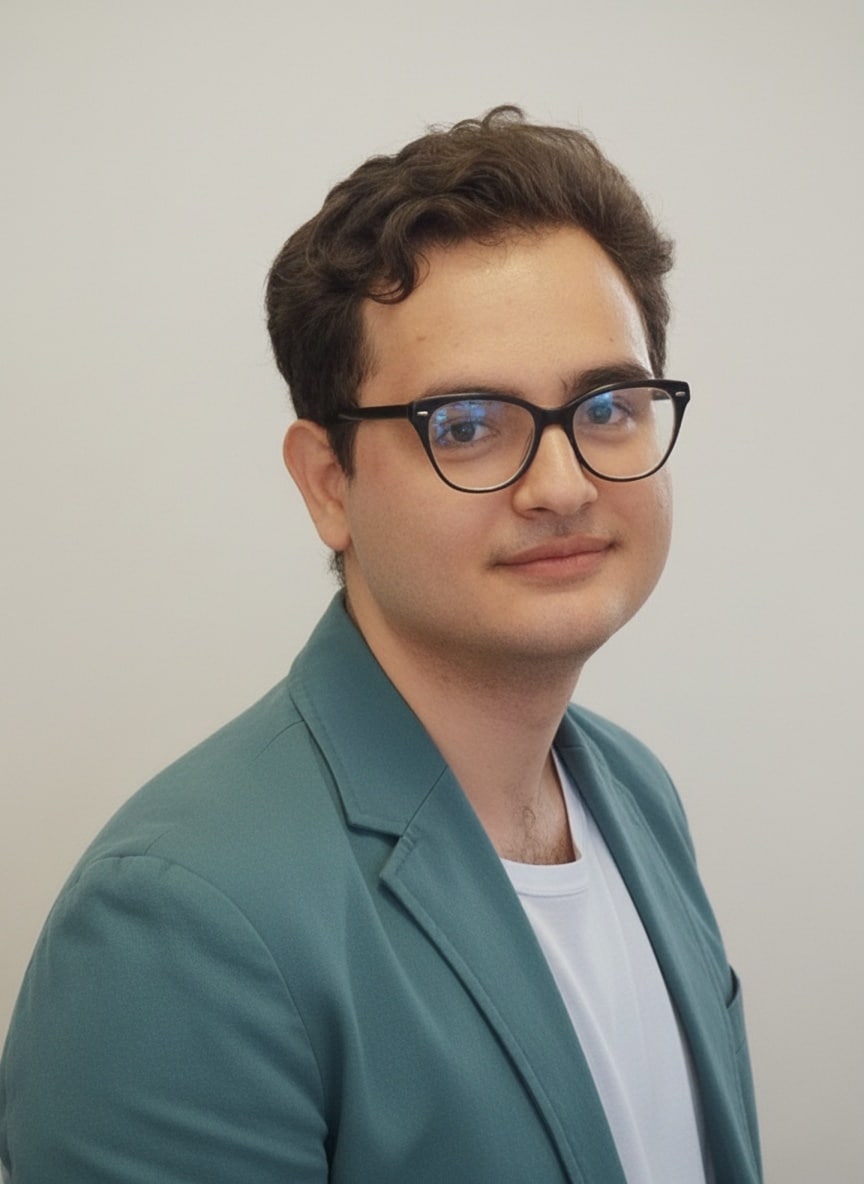
Elyar. Persian language tutor

Scroll

500+ Lessons

12+ Countries

5.0 on Preply

50+ Free Guides

THE PROBLEM

Textbook vs. Street. Same Language, Two Worlds

📖 Textbook Farsi

🗣️ Street Farsi


WHO THIS IS FOR

Built for People Who Want More Than a Vocabulary List

Heritage Speakers

You understand your parents but can’t read a headline. You’re Persian but the language feels half-yours. Let’s make it whole.

Journalists & Analysts

You need to decode Iranian media, political rhetoric, and the language of power. Context is everything in your work.

Serious Learners

You’ve done the apps. You’ve done the textbooks. You’re ready for real fluency. the kind that lets you think in Farsi, not translate in your head.

Partners & Families

You fell in love with an Iranian. Now you need to survive dinner with the family, navigate tarof, and actually connect. not just smile and nod.

THE POLITENESS GAME

Can You Survive Iranian Ta’arof?

In Iran, “no” means “yes,” “yes” means “maybe,” and refusing tea is an art form. Let’s see if you get it.

THE METHOD

How I Teach Persian

1

Diagnose

We map your current level, your goals, and the specific gaps in your Persian, whether that’s street slang, formal register, or reading comprehension.

2

Immerse

Lessons built around real content: Iranian news clips, social media posts, film scenes, political speeches. Not textbook dialogues. the living language.

3

Contextualize

Every word gets political, cultural, and social context. You learn why Iranians say things a certain way. not just what they say.

TOUCH A WORD, WATCH IT BREATHE

Persian Script Explorer

Click a word to see its letters come apart. Every character has a story.

دل به دل راه دارد

WHAT STUDENTS SAY

Real Results, Real People

“After 3 months with El, I went from reading headlines with a dictionary to following live parliamentary debates. The political context he provides is something no textbook gives you.”

Sarah J.

Journalist. Washington, D.C.

“El’s methodology for political Persian gave me the cultural scaffolding that textbooks completely miss. I finally understand not just the words, but what’s actually being said.”

David M.

Analyst. London, UK

“I could talk to my grandmother but couldn’t read anything. El gave me the formal register I never learned at home. plus the street slang my parents never taught me.”

Leila K.

Heritage Speaker. Los Angeles, CA


STORIES FROM IRAN

Cultural Moments You Need to Know

Why “No” Means “Yes”

In Iran, refusing something is the first step to accepting it. When someone offers you tea, saying “no” is expected. it’s called ta’arof. The host insists, you refuse, they insist harder, and eventually you accept. Skipping the ritual makes you look rude. Accepting too fast makes you look greedy. It’s a choreographed dance everyone knows by heart.

Read: The Mersi Hack →

“I’d Die for You” (And They Mean It)

“Ghorboonet beram” literally means “I’ll sacrifice myself for you.” Iranians say it to friends, family, even the guy at the fruit stand. It’s not dramatic. It’s Tuesday. Persian is filled with these poetic exaggerations that sound insane in English but are just… normal affection in Farsi.

Read: 10 Slang Words You Need →

The Nose Job Capital of the World

Iran has more rhinoplasties per capita than anywhere on earth. The bandage after surgery isn’t hidden. it’s shown off, a status symbol. In a country where showing hair is regulated, the face becomes the canvas. Nose jobs in Tehran aren’t vanity. they’re identity expression in a system of constraints.

Explore More on the Blog →

Sizdah Bedar: The Picnic You Can’t Miss

On the 13th day of Nowruz, every Iranian family packs up and heads outdoors. Parks, riverbanks, mountainsides. the entire country has a picnic. It’s called Sizdah Bedar (“getting rid of thirteen”). You throw your sabzeh sprouts into running water, tie grass blades for luck, and spend the day eating, playing music, and pretending work doesn’t exist.

Explore More on the Blog →

The Sacred Chai Protocol

Tea in Iran isn’t a drink. it’s a social infrastructure. The samovar is always on. Sugar comes as a cube you hold between your teeth while sipping. The host refills your cup before you notice it’s empty. Declining tea is a declaration of war. And the strongest tea is always the darkest: “por rang”. full color.

Explore More on the Blog →

Poetry Everyone Actually Quotes

Taxi drivers quote Hafez. Grandmothers recite Rumi at dinner. Poetry isn’t academic in Iran. it’s conversation. “Fale Hafez” is a tradition where you open Hafez’s Divan to a random page for fortune-telling. Iranians have a poet for every mood, and they’ll use a 700-year-old couplet to win a modern argument.

Explore More on the Blog →

WORD OF THE DAY

Learn One Word at a Time

tap to flip


PRICING

Simple, Transparent Pricing

Trial Lesson

Free

25 minutes

  • Level assessment
  • Goal-setting session
  • Methodology preview
  • No commitment required

Start Free Trial

10-Session Bundle

$270

10 × 50 min · save 10%

  • Everything in Single Session
  • Priority scheduling
  • Progress tracking
  • Long-term curriculum

Get the Bundle

All lessons booked securely through Preply. Free rescheduling, secure payment.

شروع کنیم؟

Shoru’ konim?

Shall we start?

Book Your Free Trial →


Scroll to Top
Phrase of the Week Learn more →